FEATURE: How Olododo’s water projects are bringing relief to Ilorin communities after years of long walks
For Ajobi Ajape, the difference is easiest to see on the faces of her grandchildren.
Before a new water project came to her community, Baraje street around Shao Garage in Kwara State, fetching water was a source of stress for her household. Her grandchildren, she said, would return from the search for water tired and unhappy.
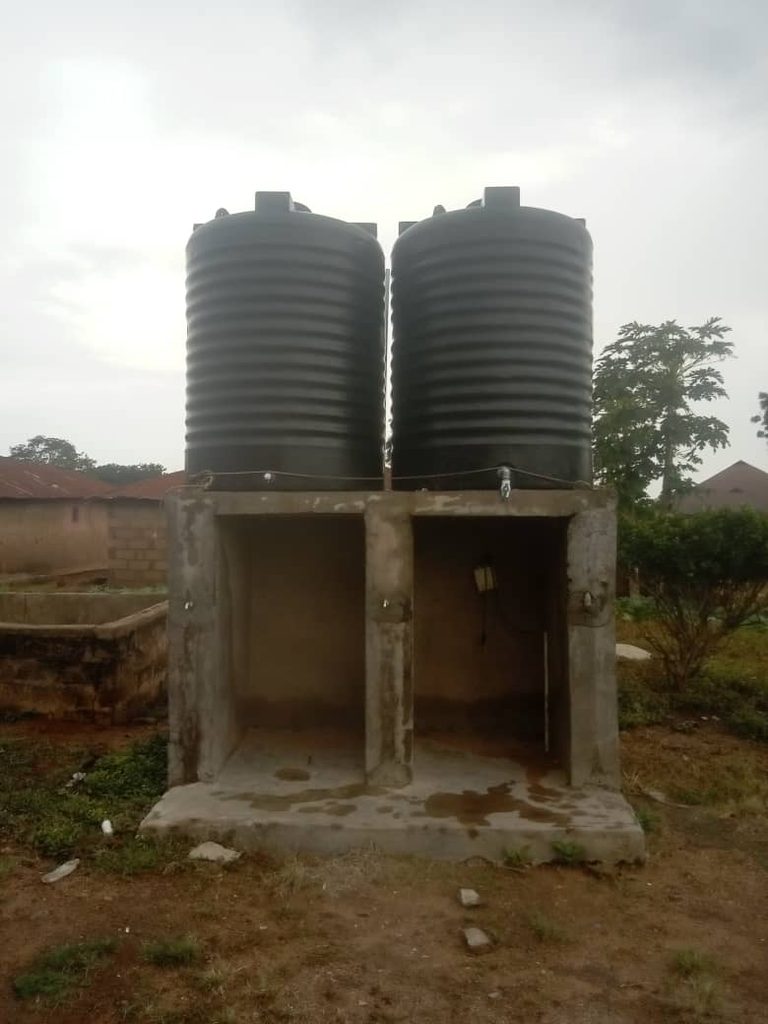
Solar-powered borehole provided by Olododo at Agbeyangi community
Today, she notices something different.
“My grandchildren no longer frown while searching for water,” Ajobi said, describing the project as an opportunity that has relieved residents of the stress of finding water.
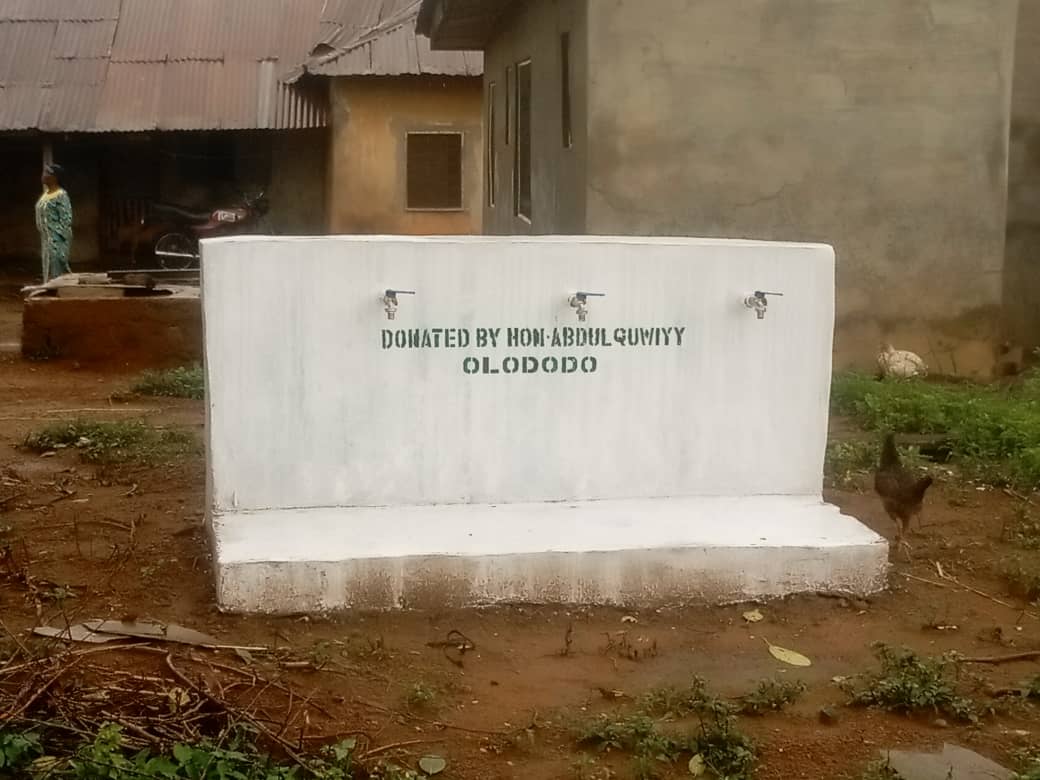
Borehole facilitated in 2023 by Olododo at Sheriff street, Shao Garage, Ilorin East LGA.
Her experience mirrors that of residents in several communities across Ilorin East and adjoining areas, where water scarcity has for years turned an everyday necessity into a daily struggle.
Residents interviewed in Agbeyangi Damale, IdiApa-Aiyetoro, Alawo Kekere, Gattah Onidugbe, Eleku, Baraje Asileke Baba Okankan, Onitobe Ajohan Surulere, Yitta, Onitiku Saho garage, Jagun, Padeola, and Oniponmon communities said they previously walked considerable distances to obtain water, relied on streams and wells, or depended on hand-pump boreholes that frequently developed faults.
A series of water projects facilitated or repaired by Engr. Abdulquawiy Olododo has provided some of those communities with new or restored sources closer to home.
A local response to a broader water challenge
The challenge facing these communities exists within a major water-access problem in Kwara State.
UNICEF’s 2021 WASH-NORM assessment found that 74 per cent of Kwara’s population had access to basic water supply, while only five per cent had access to safely managed water. The assessment also found that 87 per cent of people in the state were drinking water contaminated with E. coli either at the source or at household level.
A study of potable water sources in Ilorin similarly found heavy reliance on groundwater sources. Researchers surveyed 5,000 households in 2013 and received 4,658 responses. Of those respondents, 2,350 reported using wells, while 750 reported using boreholes.
The figures help place the experiences of communities such as Agbeyangi and IdiApa-Aiyetoro in context: where reliable public water supply is insufficient, residents often turn to stream water and hand-pump boreholes to meet their daily needs.
In Agbeyangi, a solar-powered borehole eases pressure
Agbeyangi Damale is an agrarian community in Ilorin East Local Government Area where farming has long been the main source of livelihood. But water has remained a persistent problem.
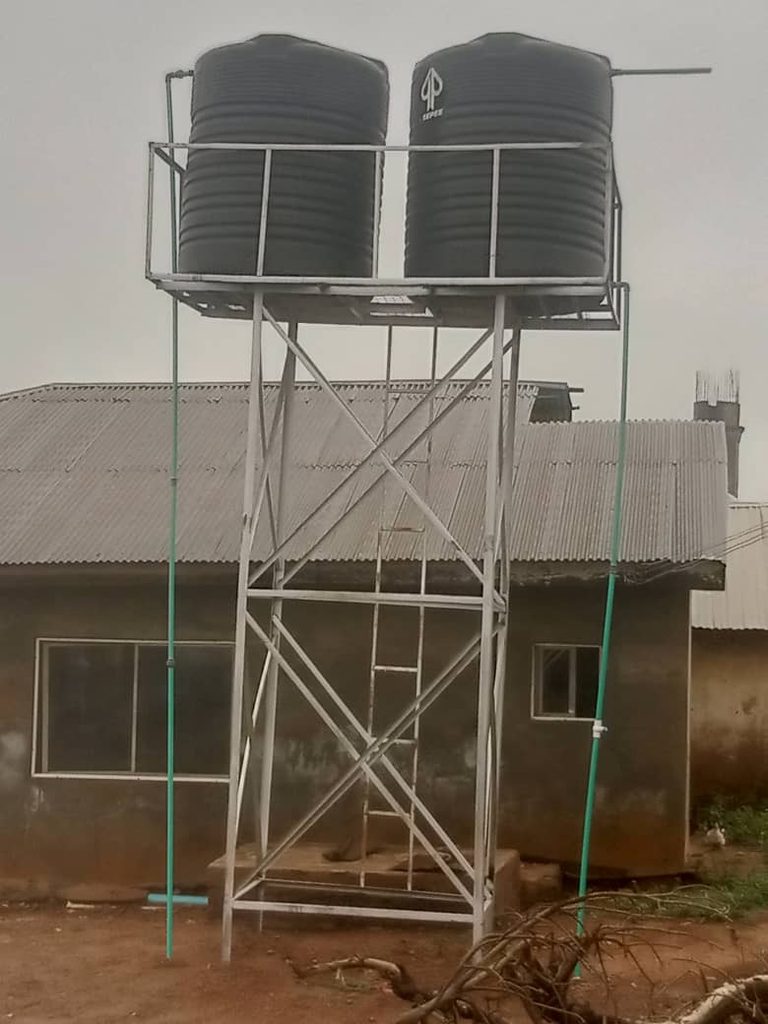
Solar-powered borehole provided by Olododo at Agbeyangi-Damale
Sulaiman Magaji, son of Alhaji Aliyu Baba Oladaride, the Alangwa of Agbeyangi Damale, said the community previously had a general borehole which served the whole community.
As the population grew, however, the single facility became increasingly inadequate.
“Water is an essential resource that we lack in this community,” Magaji said.
The situation became particularly difficult during the dry season, he explained, when some wells dried up and residents had to search for water elsewhere.
The solar-powered borehole facilitated by Olododo has provided another source.
Magaji said the project has reduced the pressure on the older borehole and eased the difficulty residents and locals in the community experienced in finding water.
Memunat Ishola, another resident, similarly described the intervention as a relief from years of searching for water and depending heavily on the community’s main borehole.
But Agbeyangi’s response goes beyond installation.
A committee has been established to oversee the facility and help keep it functional, Magaji said.
That arrangement addresses one of the biggest challenges facing water infrastructure.
When a borehole serves several communities
In IdiApa-Aiyetooro, the problem was compounded by the number of people relying on limited water sources.
Alhaji Bashiru Lawal, an elderly resident, said IdiApa-Aiyetoro community had previously depended on a hand-pump borehole and a nearby stream for domestic activities and farming.
A previous federal government intervention had also provided a water project, but Lawal said it lasted only a few months before failing.
The new project facilitated by Olododo, he said, has brought relief. “We really appreciate his intervention,” Lawal said.
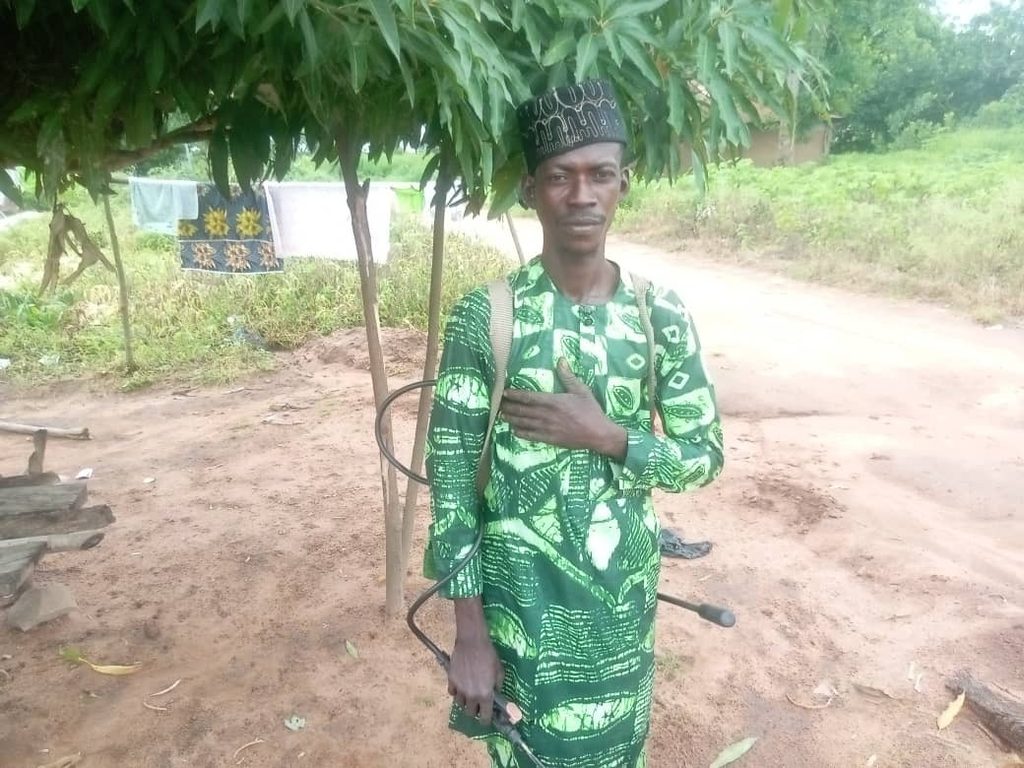
For farmer Shehu Fasasi, the impact is clearer when the number of communities depending on the old borehole is considered.
He said the previous facility served IdiApa-Aiyetoro as well as Ateko, Omoda, Ilaga, Onikoko, Beri, Losa and Budosala.
That meant residents were competing for access to the same source.
The new facility has therefore reduced pressure on an already overburdened system, according to residents.
The solution is not always a new borehole.
In some communities, Olododo’s intervention has involved repairing existing infrastructure rather than constructing an entirely new facility.
In Baraje Community around Shao Garage, Ibrahim Abdulhakeem Mess said a water project had been facilitated for the community about two years earlier.
When it later developed a fault, he said Olododo replaced the faulty parts.
Kofoworola Jimoh, another resident, said the prompt repair meant residents no longer had to travel to another community with a more abundant water supply.
The same pattern occurred in Padeola.
Ayo Isiaka said the iron rod inside the community’s hand-pump borehole became faulty, leaving residents without a functioning source.
He said Olododo intervened by replacing it, after which several communities were able to benefit again.
In Oniponmon Community, Saliu Yusuf recalled a similar experience.
The water project initially worked, he said, before developing a fault.
After residents reached out through Olododo’s father, the faulty component was replaced. The water has since been restored, Yusuf said.
These examples point to an important aspect of the local response: maintenance and repair can be as important as construction.
A project can fail even before the community gives up
Residents’ memories of failed infrastructure make maintenance particularly important.
In Onitobe compound, Okelele, Imam Abdulhamid Tobe said a borehole previously facilitated by Dele Belgore, a former governorship candidate, eventually stopped working.
When residents sought help from Olododo, he said, they received a new engine for the pumping machine.
The repaired facility now serves households and the local mosque, where Tobe said worshippers have enough water for ablution.
Sulaiman Waheed, another resident in Alawokekere area, said Olododo also provided a generator together with a fully installed motorized borehole to enable the community to pump water regularly.
Residents now carry fewer buckets over long distances, he said.
More importantly, Waheed said the community has begun taking responsibility for minor repairs.
That kind of local ownership may be crucial for sustainability.
UNICEF’s 2021 WASH-NORM report found that although about 84 per cent of water facilities assessed nationally were functional, nearly half of non-functional facilities had been out of service for more than a year.
The report also found that privately owned water points recorded higher functionality than publicly owned facilities.
Expanding an old system
At Onitiku Community, old Shao Garage, the challenge was different.
The community already had a borehole that had existed for about 20 years.
According to Alfa Nafiu Sa’ad Yitta, however, the water system had only one tank, which could not adequately serve the growing neighbourhood. Residents appealed to Olododo to expand the project.
Additional tanks were subsequently provided, Yitta said.
The change affected how residents accessed the available water.
“Before, each household fights over getting water,” he said.
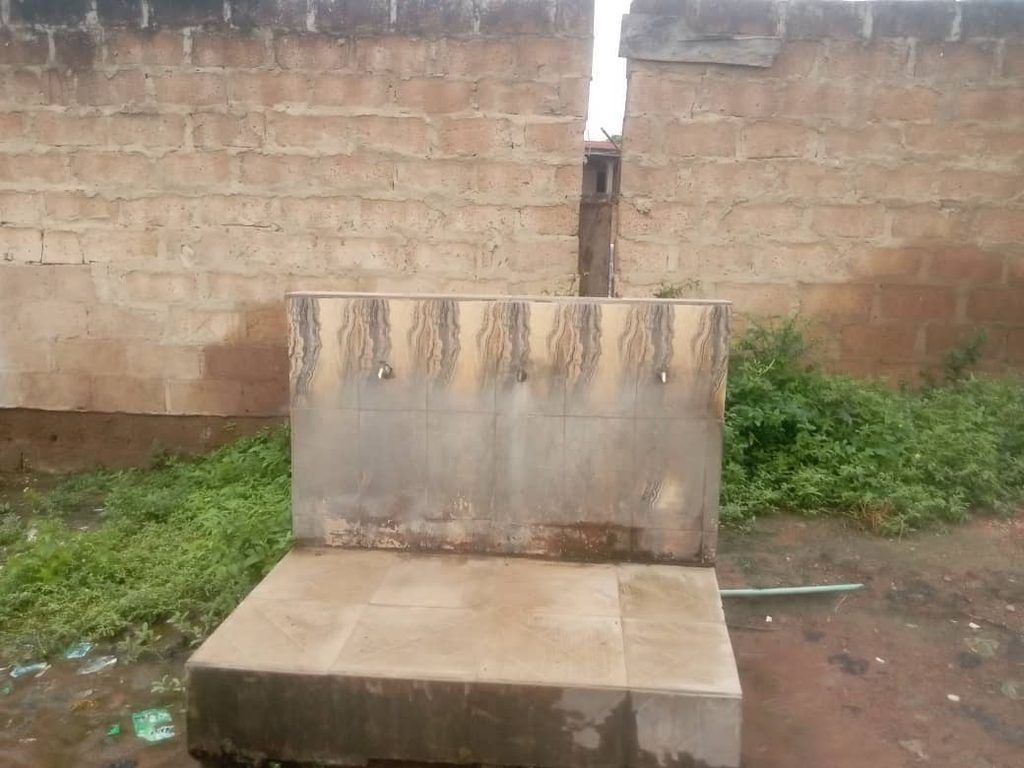
With additional storage, residents were organised in a way that allowed the water to circulate among more people.
The experience suggests that addressing water scarcity does not always require starting from scratch. In communities with functioning infrastructure, expanding storage or improving existing systems may sometimes provide a more practical response.
From household water to household income
The benefits of water access are also extending into livelihoods.
At Jagun Community, Ramata Dare, who operates a grinding machine, said the water project has been instrumental to her daily business.
For farmers in communities such as Idiapa, residents also depend on water for farming activities.
The value of the projects, therefore, is not simply measured in buckets of water. For residents, it is also measured in the time saved from long searches and the ability to carry out household, religious and economic activities closer to home.
The politician behind the projects
The interventions are also inseparable from the political ambitions of the man who facilitated or repaired them.
Olododo, a former Kwara State Commissioner for Works, declared his intention in April 2026 to contest the House of Representatives seat for the Ilorin East/Ilorin South Federal Constituency. In June 2026, he emerged as the All Progressives Congress candidate for the constituency ahead of the 2027 general election.
His political ambitions make independent assessment of the projects particularly important. The residents interviewed for this story largely praised the interventions.
The cost of the projects was also not disclosed.
Residents reported that they previously walked miles or travelled considerable distances to find water, but those distances were not independently measured.