
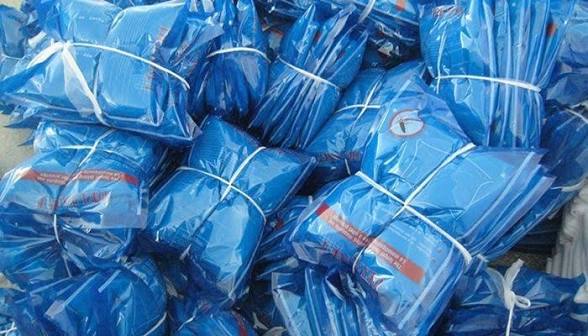
Kwara to distribute 2 million mosquito nets in malaria fight
The Kwara State Government has announced plans to distribute two million long-lasting insecticide-treated nets to households across the state’s 16 local government areas as part of renewed efforts to combat malaria.
The Commissioner for Health, Amina Ahmed El-Imam, disclosed this at an event marking the World Malaria Day 2026 held in Ilorin.
She said the initiative aligns with the global theme for this year’s commemoration, which calls for urgent and sustained action to eliminate malaria.
According to the commissioner, the state will also begin its annual house-to-house distribution of Seasonal Malaria Chemoprevention drugs for children aged three to 59 months by June, targeting the peak of the rainy season when transmission rates are highest.
El-Imam said malaria treatment remains free in selected public health facilities across the state, including access to rapid diagnostic tests and recommended therapies for both uncomplicated and severe cases.
She described malaria as a major public health concern, citing global figures that show 282 million cases and 610,000 deaths recorded in 2024. She added that Africa accounts for the overwhelming share of infections and fatalities, with Nigeria contributing significantly to the global burden.
The commissioner noted that malaria continues to rank among the leading causes of hospital visits, particularly among children under five, with a large proportion of outpatient cases linked to the disease.
Despite the burden, she pointed to progress made in recent years, saying global interventions have significantly reduced cases and deaths, while Nigeria has recorded a steady decline in prevalence.
El-Imam added that Kwara has expanded preventive measures, including the distribution of Sulfadoxine Pyrimethamine to pregnant women in hundreds of public health facilities across the state.
In his remarks, the Regional Director for Africa at the World Health Organization, Mohammed Janabi, represented by the state’s WHO representative, Emmanuel Eyitayo, said malaria remains a leading cause of death, especially among children in Africa.
He noted that several countries have increased funding for malaria programmes, while dozens have begun rolling out vaccines to protect millions of children annually.
He added that advances in mosquito net technology and the use of digital tools are strengthening prevention and response efforts, although funding gaps continue to pose challenges.
Also speaking, the Head of Malaria Case Management in Kwara, Kazeem Oladapo, said the state has made measurable progress through sustained interventions supported by development partners.
He, however, noted that malaria still accounts for a significant share of hospital admissions, particularly among young children, and called for continued commitment to eradication efforts.
Oladapo emphasised that malaria remains preventable and treatable, expressing confidence that sustained interventions would eventually lead to its elimination.




![[Video] COVID-19: Kwara nurses protest lack of protective equipments](https://theinformant247.com/wp-content/uploads/2020/04/Kwara-News-the-informant24720200409_214225.jpg)