EXPLAINER | Four months after Woro attack, 176 victims remain in captivity. What do we know so far?
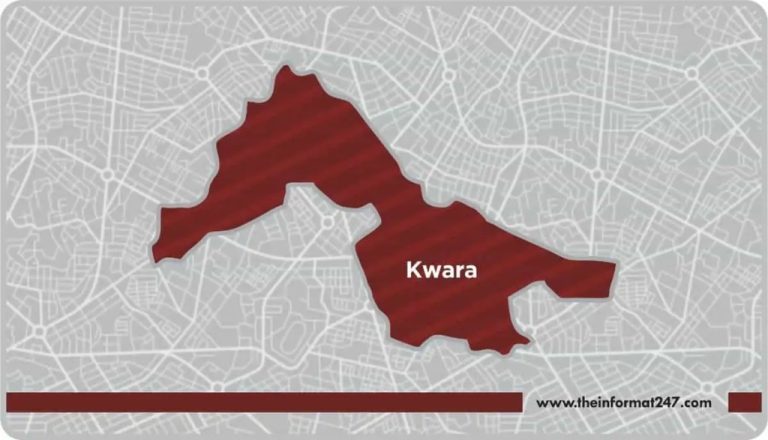
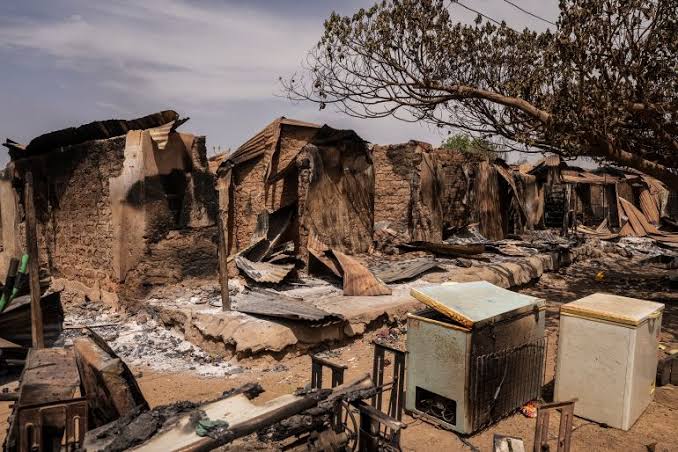
On February 3, 2026, armed men dressed in military uniforms stormed Woro and Nuku communities in Kaiama Local Government Area of Kwara State, killing at least 170 people and abducting scores of women and children.
The attack, widely described as the deadliest security incident in Kwara State’s modern history, left entire families shattered and displaced hundreds of residents.
More than four months later, many of those abducted have yet to return home.
Here is what we know about the attack and its aftermath.
What happened in Woro?
Residents said the attackers arrived in Woro and neighbouring Nuku on the evening of February 3.
According to community accounts, the gunmen first headed to the residence of the traditional leader, Umar Bio Salihu. The attackers had reportedly contacted him earlier, claiming they intended to visit the community to preach.
Witnesses said the armed men, believed to be linked to ISIL (ISIS), later moved through the community, locking shops from the outside before setting them ablaze and trapping those inside.
The attackers then went on a killing spree, targeting residents as panic spread through the villages.
Among those killed was a son of the traditional ruler. The ruler’s second wife was among those abducted during the attack.
How did the government respond?
Less than 24 hours after the attack, Kwara State Governor AbdulRahman AbdulRazaq visited the affected communities and directed the State Emergency Management Agency to provide relief and support for victims.
On February 5, President Bola Ahmed Tinubu condemned the killings and announced the deployment of an army battalion to Kaiama Local Government Area.
“This new military command will spearhead Operation Savannah Shield to checkmate these barbaric terrorists and protect defenceless communities,” the president said.
Two days later, Vice President Kashim Shettima visited Kwara State to commiserate with victims and the state government.
Speaking at Ahmadu Bello House in Ilorin, Shettima described the attack as an unacceptable violation of people’s right to live and practise their faith in peace.
What happened to those abducted?
On February 14, the attackers released a video showing women and children abducted during the assault.
The footage showed victims standing barefoot and appearing distressed as armed men questioned some of the women on camera.
The attackers accused the government of understating both the death toll and the number of people taken captive.
In the video, one of the gunmen asked the women where they had been abducted and how many of them were being held. The women responded that they were taken from Woro village in Kwara State and estimated that about 176 people were in captivity.
What did the government say about the video?
Responding to the footage, Kwara State Commissioner for Communications Bolanle Olukoju said the government was working with security agencies and community leaders to verify the identities of those shown and secure their release.
“We acknowledge the anxiety that this footage may cause. Government officials and security agencies are carefully analysing the video to establish the identities of the individuals shown,” the commissioner said.
Olukoju noted that there were differing accounts regarding the number of people abducted and said community leaders had been engaged to help identify those featured in the video.
The commissioner added that while some individuals initially reported missing had since reunited with their families, others may have relocated temporarily to neighbouring communities, including Wawa and New Bussa in neighbouring Niger State.
Where does the situation stand now?
More than 130 days after the attack, at least 176 women and children believed to have been abducted during the assault remain unaccounted for.
Despite assurances from authorities and ongoing security operations, many families are still waiting for news of their loved ones.
For survivors in Woro and Nuku, the attack remains a painful reminder of the growing security challenges facing communities in Nigeria’s North Central region.
Editor’s Note: An earlier version of this report stated that Governor AbdulRahman AbdulRazaq visited the affected communities “in the days following the attack.” The governor’s visit took place less than 24 hours after the February 3 attack, beginning on the evening of February 4 and continuing into February 5. The report has been updated to reflect the correct timeline. We regret the error.