Sowore unveils free education plan, pledges to scrap WAEC, NECO fees
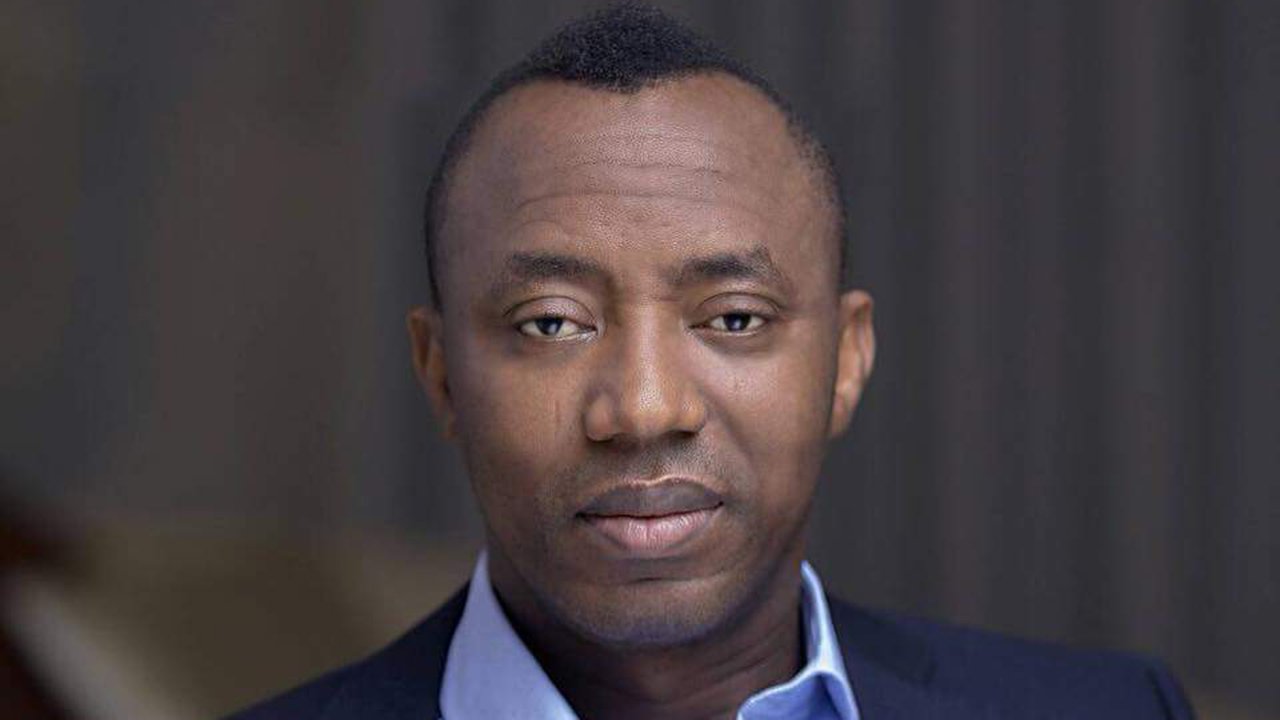
Human rights activist and African Action Congress presidential candidate, Omoyele Sowore, has unveiled what he described as his administration’s education blueprint ahead of the 2027 general election, promising free education at all levels, the abolition of public examination fees and sweeping reforms across Nigeria’s education sector.
Sowore, who shared the policy document on his verified X handle on Monday, said no child would be required to pay for the West African Senior School Certificate Examination, the National Examination Council examination or any other public examination under his administration.
The policy document outlines a 20-point education manifesto covering access to education, infrastructure, funding, curriculum, technology, research and student welfare.
It promises free education from early childhood through university, stating that no Nigerian will be denied education because of poverty. To support students financially, the manifesto adds that students in public tertiary institutions will receive semester grants to support their academic and living expenses.
Sowore also proposed a new educational structure: 5 years primary, 5 years secondary, and a 4-year university degree, alongside establishing a community college in every Local Government Area offering 2-year associate degree programmes. Additionally, the policy states that all polytechnics and monotechnics will become universities.
On technology and digital learning, the manifesto outlines plans for high-speed internet, digital classrooms, coding from primary school, and courses in AI, robotics, data science, and cybersecurity. A “National education & innovation cloud” will also be established to feature digital libraries and virtual laboratories.
The proposed reforms also prioritise teachers by promising better salaries, housing, research opportunities, and the creation of 2-year teachers’ institutes. Furthermore, universities will be granted full academic, financial, and administrative autonomy, while independent student unions will be protected.
On infrastructure and welfare, the blueprint details plans for modern classrooms, renewable electricity, disability access, and AI-powered smart hostels. It also guarantees healthy daily meals for pupils, school health services, and mental health support. The final pillar focuses on fully funding sports, arts, and culture.
Education has remained a major campaign issue in Nigeria, with stakeholders repeatedly calling for increased funding, improved infrastructure, and better welfare for teachers ahead of the 2027 general election.