Senate cuts election notice to 300 days to prevent ramadan clash in 2027 polls
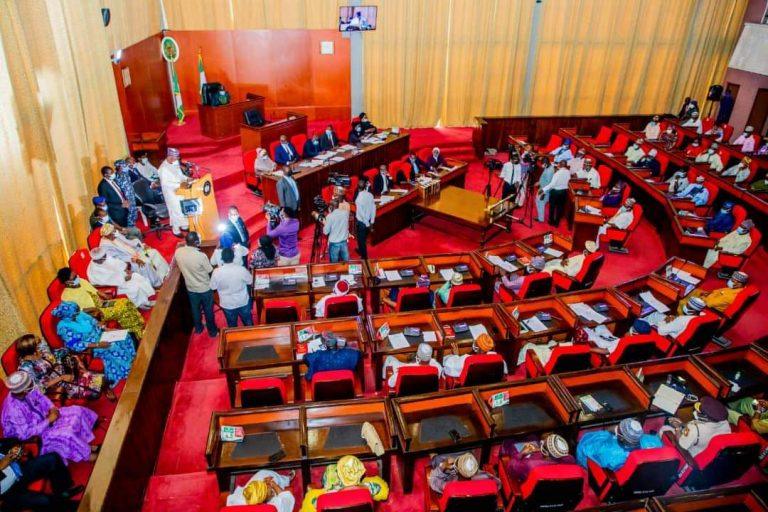
The Senate has amended Clause 28 of the Electoral Act (Repeal and Re-enactment) Bill, 2026, reducing the notice period for general elections from 360 days to 300 days to prevent a clash between the 2027 elections and the Muslim holy month of Ramadan.
The decision followed concerns that the previous 360-day notice requirement could compel the Independent National Electoral Commission (INEC) to schedule the 2027 presidential and National Assembly elections during Ramadan.
Senate Leader, Opeyemi Bamidele (Ekiti Central), moved a motion for rescission under Orders 1(b) and 52(6) of the Senate Standing Orders, prompting the upper chamber to revisit the earlier passed bill and recommit it to the Committee of the Whole for reconsideration.
Bamidele explained that upon critical review, the 360-day timeline prescribed in Clause 28 could inadvertently lead to elections being held during Ramadan, potentially affecting voter participation and overall inclusiveness.
Under the revised provision, INEC is required to publish election notices not later than 300 days before the date fixed for elections. The notice must be issued in each state of the federation and the Federal Capital Territory, specifying the election date and locations for submission of nomination papers. It must also be published in each constituency where elections are to be conducted.
Bamidele noted that conducting elections during Ramadan could negatively impact voter turnout, logistical arrangements, stakeholder participation, and the credibility of the electoral process.
The amendment followed consultations between the leadership of the National Assembly and INEC, which had earlier scheduled the presidential and National Assembly elections for February 20, 2027, and governorship and state assembly polls for March 6, 2027.
Chairman of the Senate Committee on Electoral Matters, Simon Lalong, clarified that the current INEC chairman, Prof. Joash Amupitan, did not deliberately fix the dates to coincide with Ramadan. He explained that the election timetable template covering 2019 to 2031 had been set by former INEC Chairman, Prof. Mahmood Yakubu.
Meanwhile, the Senate retained a proviso in Clause 60 allowing manual transmission of election results in cases where electronic transmission fails due to network challenges.
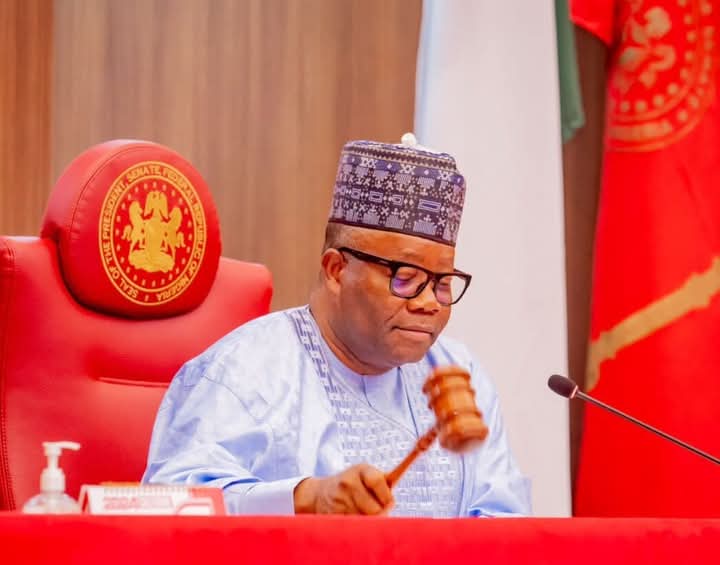
Senator Enyinnaya Abaribe (Abia South) raised a point of order and called for a division on Clause 60(3), opposing the inclusion of manual transmission. However, following a vote directed by Senate President Godswill Akpabio, 55 senators voted in favour of retaining the proviso, while 15 opposed it.
Akpabio described the outcome as a defence of Nigeria’s democracy, stating that those who supported the proviso had “just saved Nigeria’s democracy.”
With the decision, the Senate reaffirmed that while electronic transmission of results remains permitted, the duly signed Form EC8A will serve as the primary source of results in the event of network failure.
The Electoral Act (Repeal and Re-enactment) Bill, 2026, was subsequently passed by the chamber.