Reps panel uncovers tampering with gazetted tax laws after presidential assent
The Minority Caucus of the House of Representatives has confirmed that some of Nigeria’s recently gazetted tax laws were altered after they had been passed by the National Assembly and assented to by President Bola Ahmed Tinubu.
The confirmation is contained in an interim report of the Minority Caucus Ad-hoc Committee on Tax Laws, set up to investigate allegations of discrepancies between tax reform Acts approved by lawmakers and the versions published in the official gazette.
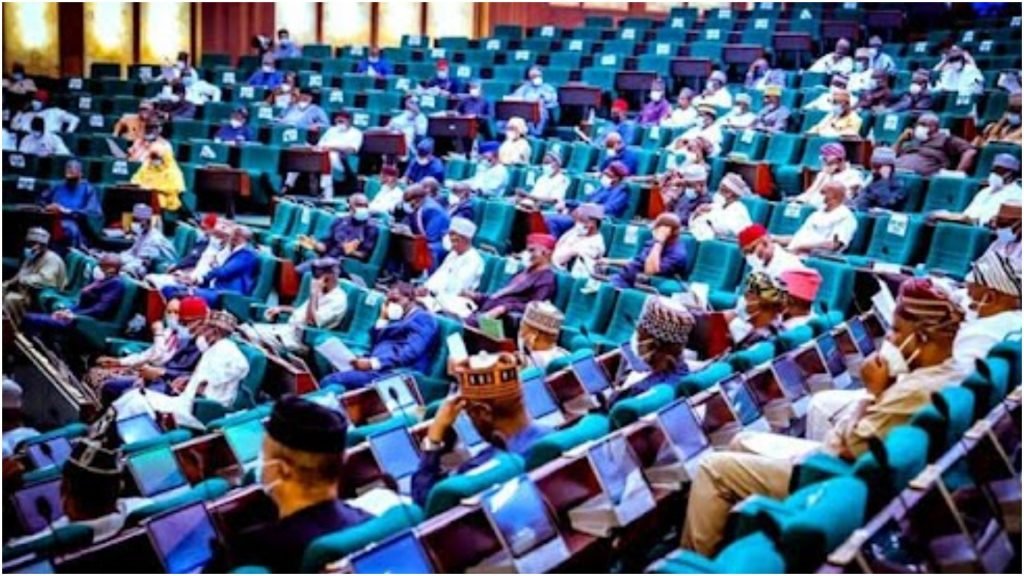
The issue came to public attention after Hon. Abdulsamad Dasuki (PDP, Sokoto) raised concerns on the floor of the House over differences between the gazetted tax laws in circulation and those passed by the National Assembly.
In response, the Minority Caucus, in a statement dated December 28, 2025, vowed to defend the independence of the legislature, warning that imposing altered or “fake” laws on Nigerians amounted to an attack on democracy.
Consequently, on January 2, 2026, the caucus, under the leadership of Minority Leader Rt. Hon. Kingsley Chinda, constituted a seven-member fact-finding committee chaired by Hon. Afam Victor Ogene. Other members are Hon. Aliyu Garu (Bauchi), Hon. Stanley Adedeji (Oyo), Hon. Ibe Osonwa (Abia), Hon. Marie Ebikake (Bayelsa), Hon. MB Shehu Fagge (Kano), and Hon. Gaza Gbefwi Jonathan (Nasarawa).
The committee recalled that on January 3, 2026, the House spokesman, Rep. Akintunde Rotimi, announced that Speaker Abbas Tajudeen had directed the public release of the four tax reform Acts signed into law by the President, alongside an internal verification process aimed at eliminating doubts, restoring clarity, and protecting the sanctity of the legislature.
The Acts are the Nigeria Tax Act, 2025; Nigeria Tax Administration Act, 2025; National Revenue Service (Establishment) Act, 2025; and the Joint Revenue Board (Establishment) Act, 2025.
According to the committee’s preliminary findings, a comparison of the Certified True Copies released by the House with the earlier gazetted versions confirmed that unauthorized alterations were made, particularly to the Nigeria Tax Administration Act, 2025.
The panel noted that at least three different versions of the Act were in circulation and described the directive to “align” the laws with the Federal Government Printing Press as a procedural anomaly that encroached on the legislative powers of the National Assembly.
One of the key alterations identified was in Section 29(1) of the Nigeria Tax Administration Act, where reporting thresholds were reduced in the gazetted version from ₦50 million to ₦25 million for individuals and from ₦250 million to ₦100 million for companies, contrary to what was passed by lawmakers.
The committee also flagged the insertion of new subsections 41(8) and 41(9) in the gazetted Act, requiring taxpayers to deposit 20 per cent of disputed tax amounts before appealing decisions of the Tax Appeal Tribunal—provisions it said were absent from the authentic version passed by the National Assembly.
Other discrepancies include expanded enforcement powers under Section 64, granting tax authorities powers of arrest and asset sale without court orders; alterations to Section 3(1)(b), which removed petroleum income tax and VAT from the definition of federal taxes; and changes to Section 39(3), mandating tax computations for petroleum operations in US dollars rather than the currency of transaction.
In the National Revenue Service (Establishment) Act, the committee observed that oversight provisions empowering the National Assembly to summon officials and demand quarterly and annual reports were deleted in the gazetted version, a move it described as a violation of the doctrine of checks and balances.
Citing the “anomalies, illegalities and impunity” uncovered, the committee said the findings so far justify a deeper investigation to ensure accountability for what it described as an affront to the legislature and Nigeria’s democracy. The panel has therefore requested an extension of time to conduct a more comprehensive probe.
Hon. Ogene, in the report, thanked the Minority Caucus leadership for the opportunity to serve and reaffirmed the committee’s commitment to safeguarding the constitutional powers of the National Assembly.