
“Report our projects, but challenge us where we’re not doing enough” — Ifelodun chairman to media
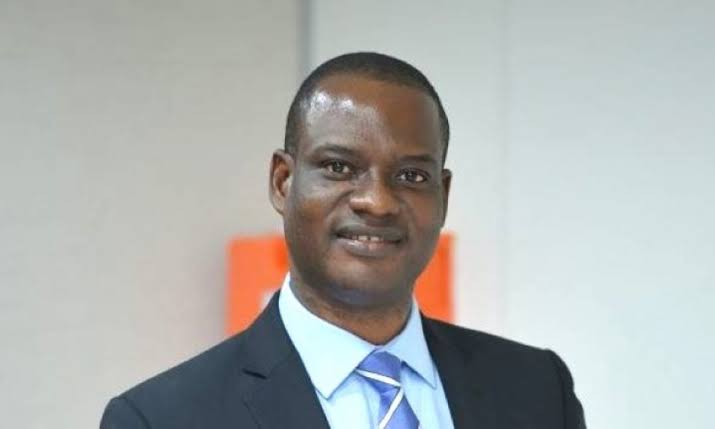
The Executive Chairman of Ifelodun Local Government, Hadj Abdulrasheed Femi Yusuf, has urged the media to report development projects and interventions at the grassroots while also holding government accountable whenever it falls short of expectations.
Yusuf made the call while speaking at the 49th edition of the Media Parliament, where he highlighted his administration’s approach to grassroots governance and the need for stronger collaboration between government and the media.
According to him, the media has a critical role to play in ensuring that people are informed about what is happening across the local governments, particularly projects and interventions that may not attract national attention but have significant impact on communities.
“There is a lot happening across our Local Governments that people may never hear about if it is not properly communicated,” he said.
He urged journalists to tell the stories of development at the grassroots, stressing that projects such as rural roads, renovated classrooms, improved healthcare facilities and security interventions may appear small from a distance but can make a major difference in the lives of residents.
“If government builds a road, report it. If a school is renovated, tell the people. If a healthcare facility receives support, let the public know.
“But where government is not doing enough, we should also be challenged. Constructive criticism is part of democracy, and as elected officials, we must remain open to it because ultimately, we are accountable to the people,” Yusuf said.
The Ifelodun chairman said his administration sees the media not merely as a channel for publicity but as a partner in grassroots governance, capable of informing the public while also demanding accountability from elected officials.
He appealed for fairness in reporting grassroots development, noting that the importance of a project should not always be measured by its size or cost.
According to him, a few kilometres of rural road could open up farms and markets, while the renovation of a classroom could provide children with a better learning environment. Similarly, providing motorcycles and communication equipment to community security teams could improve their ability to respond to security challenges in remote areas.
“These are the everyday stories of governance at the grassroots, and they deserve to be told,” he said.
Yusuf said his administration’s approach was anchored on the philosophy of “Ifelodun First,” which he described as a commitment to putting the people at the centre of government decisions, projects and priorities.
He explained that the administration had deliberately taken governance closer to communities by engaging traditional rulers, community leaders, youth groups, women, farmers, traders and other stakeholders to identify their needs.
“Sometimes, the most important thing government can do is simply to listen,” he said, adding that development was not always about executing the biggest project but about solving specific problems that had affected communities for years.
The chairman cited interventions in road infrastructure, education, healthcare and security across the local government, including work on the Idofian-Igbaja, Yaru-Agbeyangi, Jimba-Oja-Falokun-Oja, Abayan-Patako Ora and Oke-Ode-Agbee roads.
He also disclosed that the local government had commenced grading of the Owa-Onire–Oke Oyan–Alabe road in Ilere Ward, describing the intervention as important to improving access, economic activities and security in the affected communities.
On security, Yusuf said the council had supported local security structures with motorcycles, communication equipment and other logistics, while also supporting the welfare and insurance of vigilante personnel.
He maintained that security could not be achieved by government alone, stressing the importance of collaboration among traditional rulers, community leaders, residents and formal security agencies.
The chairman also highlighted the council’s efforts to stimulate economic activities through projects such as the Ifelodun Travelers Motor Park at Amoyo and the Shopping Complex in Gamo, as well as plans around housing and urban expansion along the Idofian district and Ganmo-Amoyo-Jimba Oja-Kabba axis.
On the broader issue of local government administration, Yusuf called for greater recognition of the role of councils in delivering development, stressing that their closeness to the people gives them a unique advantage.
“The State Government cannot be everywhere at the same time, but the Local Government can get to that community where a road has become difficult to pass, speak with the traditional ruler, meet the farmers, visit the primary healthcare centre or engage the residents directly,” he said.
He added that local governments must remain sincere about their limitations, listen to the people and use available resources responsibly.
“We are not claiming that everything is perfect, but we are committed to doing our best, one community at a time,” Yusuf said.
He reaffirmed his administration’s commitment to putting residents first, saying the journey towards a stronger, safer and more prosperous Ifelodun remains ongoing.