
Kwara, UNICEF train 193 health workers to boost grassroots care
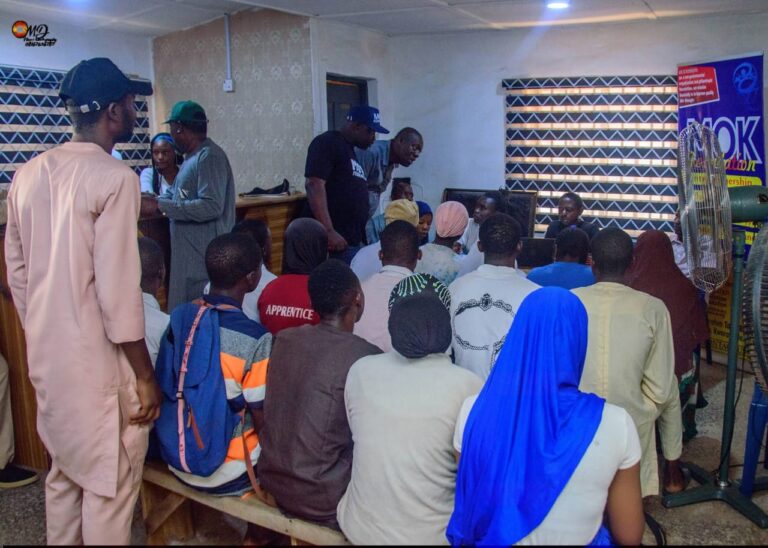
The Kwara State Primary Health Care Development Agency (KWSPHCDA), in partnership with the United Nations Children’s Fund (UNICEF), has commenced a comprehensive capacity-building training for 193 Community Health Extension Workers (CHEWs) to strengthen healthcare delivery at the grassroots level.
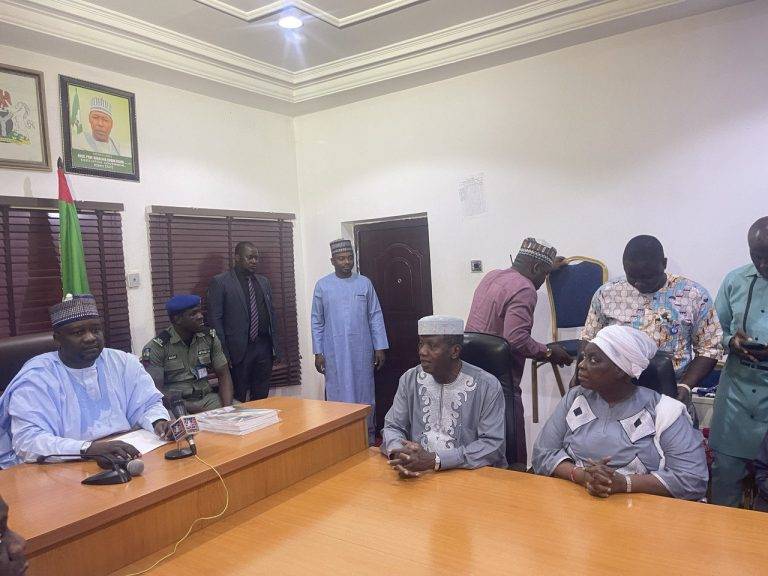
In a press release signed by the Press Secretary of KWSPHCDA, Bukola Abduganiyu, the agency stated that the two-day workshop, which opened at Mucenty Hotel in Omu-Aran, drew participants from all 193 political wards in the state.
The trained CHEWs will serve as Volunteer Health Supervisors, tasked with overseeing frontline health workers and improving supportive supervision across Kwara’s primary healthcare system.
Declaring the training open, the Executive Secretary of KWSPHCDA, Professor Nusirat Elelu, underscored the importance of continuous capacity building in achieving optimal health outcomes in rural communities.
Professor Elelu noted that effective supervision remains a critical driver of strengthening clinical skills, institutionalising accountability, and improving the quality of healthcare services at the community level.
“This training is strategically designed to equip our supervisors with the necessary tools and competencies to support frontline health workers,” Elelu said. “By doing so, we will enhance service delivery, improve data quality, and strengthen evidence-based decision-making within the state’s health sector.”
The Executive Secretary further disclosed that the agency is scaling up its Maternal, Perinatal and Child Death Surveillance and Response (MPCDSR) activities, alongside robust nutrition outreach programmes, as part of deliberate efforts to reduce preventable maternal and child deaths.
In his goodwill message, the State Health Educator, Mr Jibril Abdulkareem, who represented the Kwara State Ministry of Health, emphasised that the success of public health interventions hinges on strong community engagement and demand generation.
Abdulkareem noted that Volunteer Health Mobilisers serve as a vital link between rural dwellers and formal health facilities. He urged the supervisors to discharge their duties with utmost commitment to maximise the performance of the volunteers.
Corroborating this position, the State Director of the National Orientation Agency (NOA), Alhaji Dare Abdulganiyu, described the community mobilisers as the “foot soldiers” of health interventions.
He commended the state government’s political will in transforming healthcare delivery and called for intensified grassroots sensitisation.
On his part, UNICEF Social and Behaviour Change Consultant, Dr Usman Danlami, reaffirmed the organisation’s commitment to partnering with the Nigerian government to improve health outcomes for women, children and adolescents.
Dr Danlami argued that providing quality healthcare facilities is only one part of the solution, stressing that communities must also be sensitised to adopt positive health-seeking behaviours.
According to him, Social and Behaviour Change (SBC) approaches offer cost-effective mechanisms for addressing harmful cultural norms and misconceptions, thereby creating sustained demand for Reproductive, Maternal, Newborn, Child, Adolescent Health and Nutrition (RMNCAH+N) services.