ISIS Defections in Nigeria Rise by Over 200% Since May Operation, Says US
The United States Africa Command (AFRICOM) says defections by Islamic State (ISIS) members in Nigeria have increased by more than 200 per cent since a joint military operation by Nigerian and US forces in May.
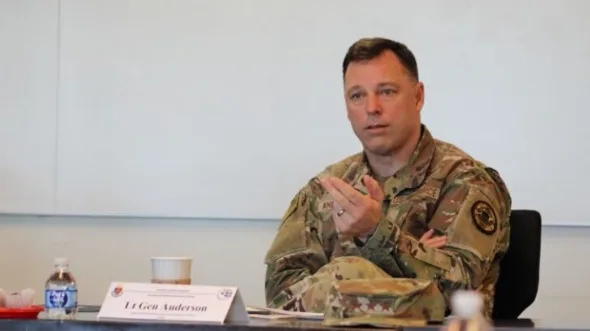
Dagvin Anderson, commander of AFRICOM, disclosed this on Monday on the sidelines of the Africa International Defence Exhibition (AFRIDEX) in Lagos, according to THISDAY.
Anderson attributed the increase in defections to the impact of the operation targeting a senior ISIS figure and subsequent military operations conducted by Nigerian forces.
He said the United States would continue to collaborate with Nigerian security agencies by providing intelligence, specialised capabilities and training to strengthen the country’s fight against terrorism.
“The partnership with the Nigerian Armed Forces and Nigerian intelligence was exceptional, and that’s what really enabled that partnership to happen and to take out the number two terrorist in the world for ISIS,” Anderson said.
He explained that the partnership combined Nigeria’s regional and local knowledge with the United States’ understanding of terrorist networks across the world.
“Some of it is intelligence, but also understanding of the terrorist network globally. And so Nigeria brings the regional and local understanding, while we bring the global network understanding, and together that becomes very powerful,” he added.
However, Anderson said military assistance alone would not resolve Nigeria’s security challenges, including terrorism and kidnapping, stressing the need for investment in governance and development.
On the withdrawal of Mali, Burkina Faso and Niger from the Economic Community of West African States (ECOWAS), he said the US was seeking to reopen dialogue with the three countries to strengthen security cooperation.
He also identified terrorist financing, piracy, smuggling, drug trafficking and illegal fishing as major security concerns requiring sustained regional and international collaboration.
According to Anderson, the increase in ISIS defections, alongside a reduction in attacks and violence, indicates progress in efforts to tackle terrorism.
He also commended Nigeria’s programme for reintegrating former insurgents and defectors into society.
“How do you take the growing youth population and channel that energy for a positive effort? And to me, that’s what we all need to work on, but it has to be done locally,” he said.
In May, Nigerian and US forces conducted military operations in north-eastern Nigeria that killed Abu-Bilal al-Minuki, identified as the global second-in-command of ISIS.
In June, AFRICOM announced the withdrawal of most US troops deployed for the operation, while confirming that intelligence support to Nigeria would continue.