In Kwara, residents worry over unregulated proliferation of gas shops in residential areas, but govt prioritises revenue
Cooking gas business is no longer a small roadside trade in Nigeria. Over the past few years, more families have moved away from kerosene and firewood to LPG because it is cleaner, faster, and safer when handled properly. This growing demand has made gas refilling one of the most attractive small and medium-scale businesses today.
But many people rush into the business thinking it only requires buying cylinders and selling gas. In the crowded neighbourhoods across Kwara State, the sharp hiss of escaping gas and the metallic scrape of cylinders against concrete have become part of the daily soundtrack. Beneath that routine exchange, however, lies a quiet tension; one that residents say has been building as refill shops multiply in spaces never designed for them.
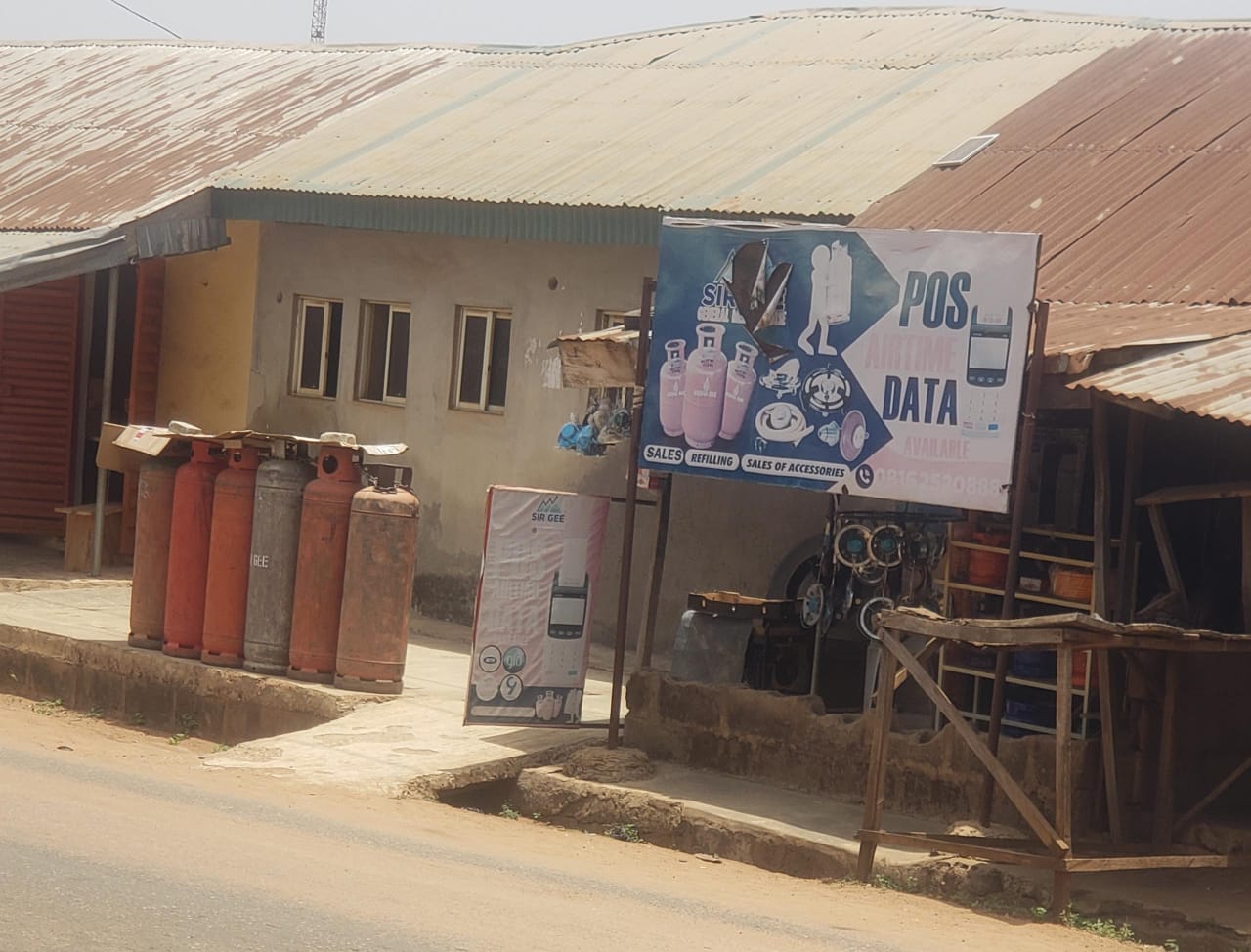
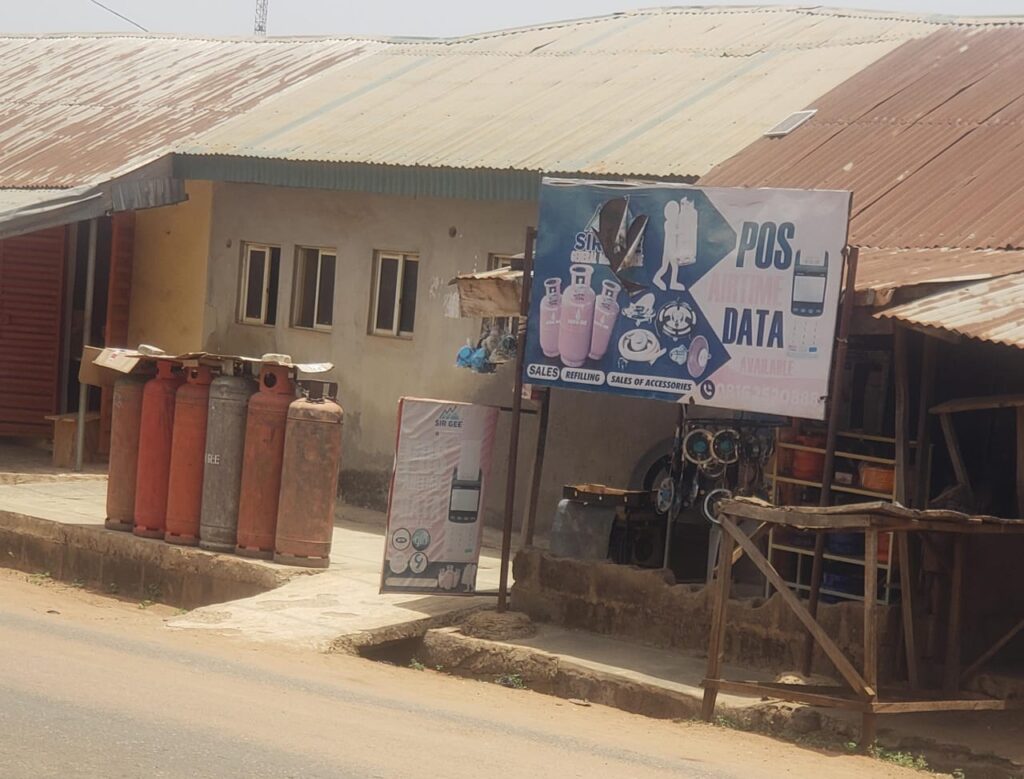
Gas refilling is not allowed just anywhere. Regulations require adequate open space, proper ventilation, and safe distances from homes, schools, and busy public areas. Yet across several communities visited by The Informant247, gas outlets sit wall-to-wall with provision stores, tailoring shops, and family apartments.
In Tanke, a densely populated district of Ilorin, a shop owner, Shukurat Ameed, described the unease of sharing a building with a gas outlet.
“We don’t feel safe because of the odour when they are transferring the gas across cylinders. I personally don’t feel safe, but I don’t have a choice. The gas is very dangerous, and we know we are not safe at all.”
Her shop is separated from where cylinders are routinely decanted by only a thin partition, a practice regulators prohibit in residential areas. When customers arrive, often with two or three cylinders stacked inside car boots, the air grows heavy.
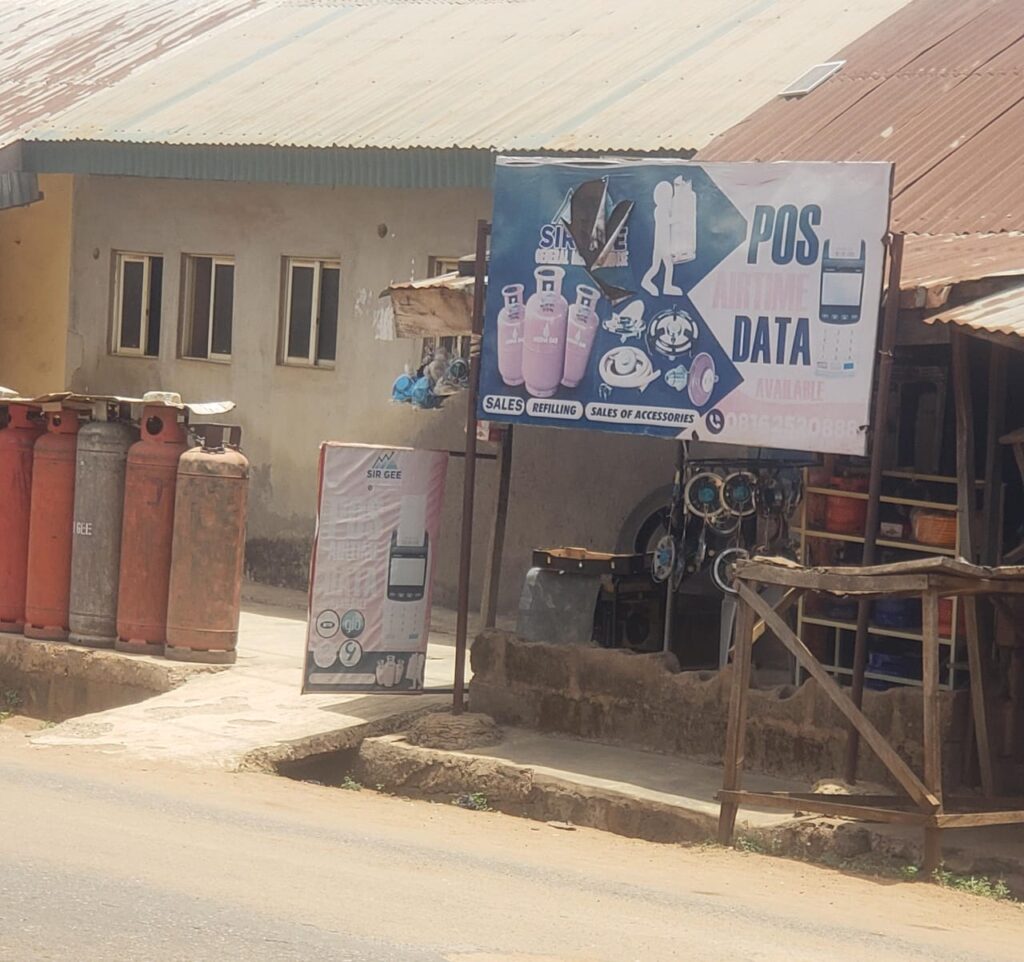
“Whenever people come on vehicles with their cylinders for refilling, we always tell them to move their vehicles far away from both our shops and the gas station because we understand how dangerous it is for the petrol and gas odor to meet, and even the heat emitted from them.”
There are no warning signs from authorities. No visible inspection tags. The caution comes from other shop owners themselves — informal, improvised, and rooted in fear.
“We just have to bear with it because it is their shop and we can’t tell them to move away. We’re both paying for the separate section of the shop we rented.”
In Offa, a city in Oyun LGA of Kwara State, the risk became real for Samuel Komolafe. He remembers the afternoon an elderly neighbour refilled her newly purchased cylinder at a nearby outlet tucked within their residential grid.
Nothing appeared unusual at the time. The refill was quick. Payment was made. She returned home.
“When she returned home and struck a flame, the fire did not obey. It leapt and roared. The sealing of the gas container had obviously not been properly done at the gas station,” he recounted. “The old woman survived,” Samuel added, attributing it to what he described as divine mercy.
For Samuel, the issue is not the shift from charcoal to gas, a transition many households welcome, but the manner in which the product is handled before it reaches kitchens.
“Had it been that the process was okay, she may not have had that problem. The refilling was done under intense heat due to the state of the shop,” he said.
Now, whenever he refills his own cylinder, he keeps a noticeable distance. He watches carefully. He waits.
“I prefer established stations where safety mechanisms are visible, where procedures feel structured rather than improvised.”
Other residents describe similar survival routines. Baliqeez Morenikeji, who also lives in the Alagbado axis of Ilorin, has developed her own checklist.
“One has to be very careful when they live close to a gas shop,” she said.
She avoids phone calls during refills. She steps back from the dispensing point. She studies the attendant’s movements.
Across these neighbourhoods, safety appears to depend less on visible state enforcement and more on personal vigilance. Residents move their cars. They silence their phones. They stand at a distance.
For other shop owners, the hissing stops, life resumes — until the next cylinder arrives.
‘We pay tax, recognised by govt’ – Retailers
But while residents rely on instinct, operators argue they are not operating in the shadows.
A gas retailer in Offa, who spoke to The Informant247 on condition of anonymity, insisted that small-scale shop owners function within a recognised system.
“We pay taxes to local, state, and federal authorities,” he said. “Inspectors come sometimes to check our safety kits and our location.”
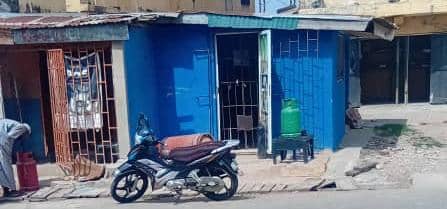
In Patigi, another retail gas seller who also pleaded not to be named said his business is registered with the Corporate Affairs Commission (CAC) and that he pays tax to the state government.
When asked about safety concerns, he said, “Fire service officials do come to check on them. But they don’t complain about the proximity to residential buildings.”
Their argument is simple: taxation suggests legitimacy. If government agencies collect revenue, they say, how illegal can the operation be?
‘Not licensed but paying taxes’
Before opening a gas station, inspectors must confirm that the facility meets safety standards. The process includes site inspection, approval of safety design, and operational licensing.
However, most of the stations visited by The Informant247 were unable to present a valid licence certificate when requested.
“If we are not legal, will the government be taking taxes from us?” questioned one operator running his outlet within a residential cluster.
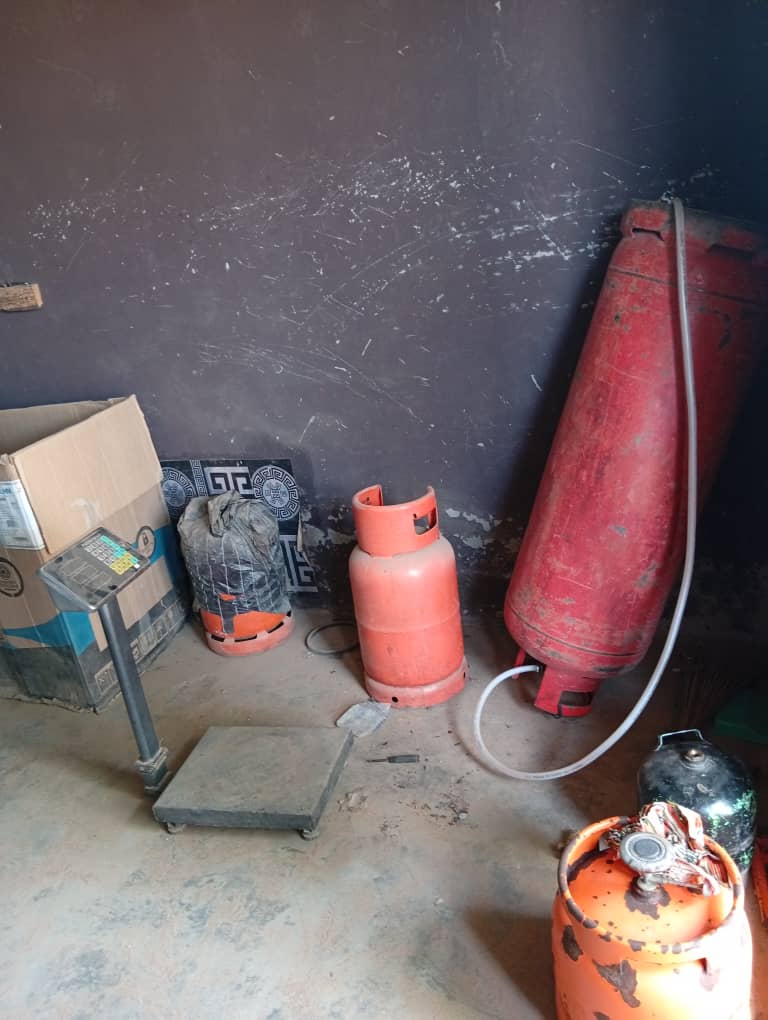
The regulatory position of the Nigerian Midstream and Downstream Petroleum Regulatory Authority (NMDPRA) is unambiguous: cylinder decanting in shops is banned nationwide. Only a licensed cylinder exchange model is permitted in residential areas.
LPG skid plants must maintain setback distances of 15 to 30 metres from buildings and secure approvals from the police, fire service, environmental agencies, and regulators before commencing operations.
Safety preparation is not optional. Every refilling station is expected to have functional fire extinguishers, sand buckets, emergency shutdown systems, and trained attendants capable of responding swiftly to leaks or fire outbreaks.
At the federal level, members of the National Assembly have debated stricter penalties and zoning restrictions following recurring gas explosions across the country, including proposals for designated gas corridors away from residential neighbourhoods.
Yet a survey conducted in parts of Ilorin and Offa revealed a clear disconnect between regulation and practice. Several outlets lacked clearly displayed fire extinguishers. Some operated in narrow, poorly ventilated spaces wedged between homes. In multiple instances, cylinders were openly decanted from one container to another in plain sight.
The Kwara Internal Revenue Service (KWIRS) and Nigerian Midstream and Downstream Petroleum Regulatory Authority (NMDPRA) did not immediately respond to requests for comment.
This report is published with support from Civic Media Lab.