FEATURE | Patigi Regatta Festival: A cultural legacy on pause
By Aliyu Rahma Alkali
Once a unifying spectacle along the River Niger, the Patigi Regatta Festival has been absent for over a decade, leaving cultural and economic gaps as stakeholders push for its return.
The early morning sun slipped through my window and gently woke me. I jumped out of bed as soon as I remembered the Regatta Festival was starting that day. Excitement pushed me through a quick shower.
Minutes later, I joined my father and we headed to the venue. By the time we arrived, sunlight was already dancing on the River Niger, known to the Nupe people as Ndaduma. The steady beat of drums filled the air across Patigi.
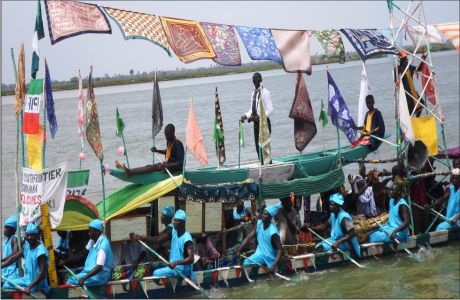
I was younger then, dressed in a flowing baban riga, standing beside my father. Before us, colourful boats moved across the water, each with its own story. That was how the festival began.
It was never just about boats or music. The Regatta carried a deeper meaning. It brought people together and created a sense of belonging. Nupe communities along the river and beyond gathered, with visitors coming from Kwara, Niger and Kogi states. Canoes raced across the water, elders watched with pride, and children looked on in awe.
From cultural celebration to national attraction
For decades, the Patigi Regatta Festival stood as a strong symbol of unity and cultural pride. It began in the early 1950s as a celebration of the Nupe people’s relationship with the river, which shaped their trade, identity and daily life.
Elders link its origins to the reign of Etsu Umaru Bologi I. The Regatta became a way of expressing culture in a living form, not through books or speeches, but through performance on water.
Over time, the festival grew in size and importance. It attracted dignitaries and visitors from across the country, including former Senate President Dr Abubakar Bukola Saraki, former Kwara State Governor Abdulfatah Ahmed, former Senator Muhammad Shaaba Lafiagi, and the late Hon Aliyu Bahago.
Government officials, traditional rulers and tourists gathered along the riverbanks to watch the event which featured fishing, swimming, competitions, canoe paddling.
The state government compares the festival favorably with the world renowned Argungu fishing festival in Kebbi State.
How funding challenge is silencing a people’s legacy
The Regatta was meant to be held every year, but that did not last.
As costs increased, funding became difficult to sustain. The festival was then held only when resources were available, sometimes once in ten years. Over time, even that became difficult. The last full celebration took place in 2013.
Since then, the river has been quiet.
Residents and cultural custodians say the absence of the festival has affected the community in many ways. They say it has weakened cultural pride and left many people feeling disconnected from their roots.
Younger people are among the most affected. The Regatta once served as a place where traditions were taught and passed on. Without it, many have fewer chances to learn or take part in their culture.
The economic impact is also clear. Traders, hotel owners, food vendors and performers say visitor numbers have dropped, especially during periods when the festival would normally attract crowds.
The event also helped strengthen social ties. Families, communities and neighbouring states came together during the celebration. Its absence has reduced those opportunities.
Traditional leaders renewed call for revival
Traditional leaders continue to stress the importance of bringing the festival back.
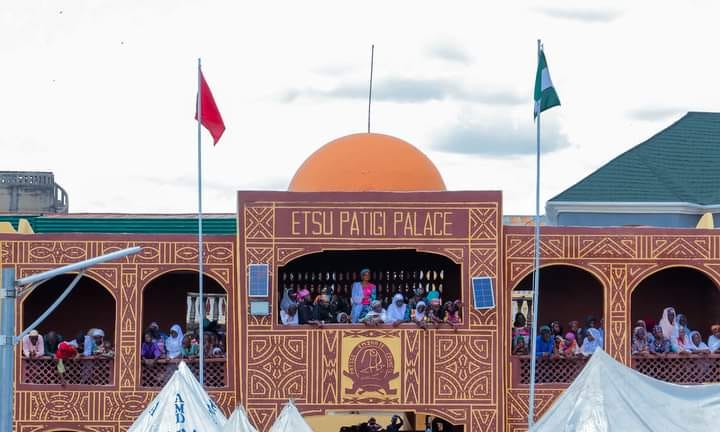
Speaking through his secretary, the Emir of Patigi, Alhaji Dr Ibrahim Umar Bologi II, described the Regatta as an important part of the community’s identity.
“The Regatta Festival is a celebration of our rich cultural heritage and a testament to the resilience and unity of our community,” he said. “Its revival will boost tourism and economic growth and also promote peace, stability and development in Kwara State and Nigeria.”
He called on stakeholders to support efforts to revive the event.
Revival, a path to economic growth
Beyond culture, the Regatta has economic value.
Its return could generate revenue through tourism, hospitality, transportation and local trade. With proper funding and promotion, it could attract visitors from within and outside Nigeria.
It would also create opportunities for artisans, boat builders, performers and small business owners, while restoring visibility to Nupe culture.
A legacy waiting to rise again
Today, canoes sit quietly along the riverbanks. The paddles are still. The drums are no longer heard. But the memory of the festival remains.
Bringing back the Patigi Regatta Festival is not just about reviving a celebration. It is about restoring identity, rebuilding unity, empowering youth, and reconnecting a people to their history and environment.
Every culture has its rhythm, and for the Nupe people, that rhythm began on the waters of the River Niger. The waves are ready. All that remains is the will to let them dance again.