E-transmission: INEC to conduct “mock” presidential election ahead of 2027 polls
The Independent National Electoral Commission (INEC) has intensified preparations for the 2027 general elections, unveiling a detailed timetable and announcing plans to conduct a landmark “mock presidential election” to test its electronic transmission systems.
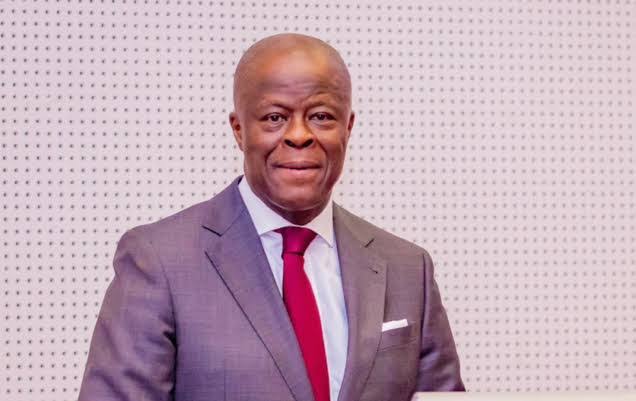
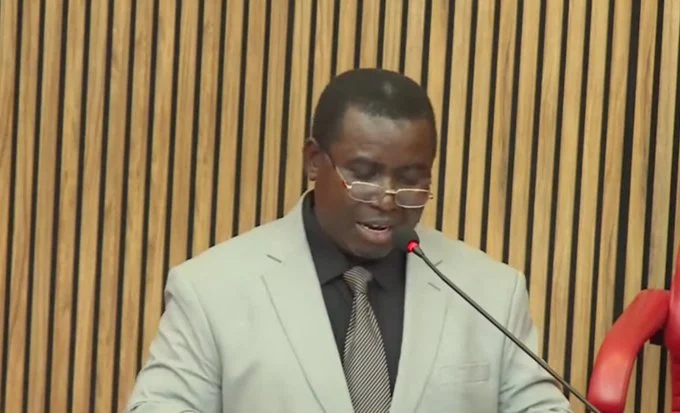
At a press briefing in Abuja on Friday, INEC Chairman, Joash Amupitan, confirmed that the Presidential and National Assembly elections will be held on February 20, 2027, while Governorship and State Houses of Assembly elections are slated for March 6, 2027.
Addressing concerns surrounding the commission’s technology platforms, including the INEC Result Viewing Portal (IReV) and the Bimodal Voter Accreditation System (BVAS), Amupitan said INEC is determined to restore and strengthen public confidence following past technical setbacks.
“I am committed to even having a mock presidential election,” he stated. “The delicate thing about technology is if it is designed without being properly tested. We don’t have issues with transmission to IReV in respect of the elections. We are doing everything possible to make sure that we test whatever we have. I did not say that technology will not be used.”
He clarified that electronic transmission of results remains central to the commission’s policy direction, despite ongoing legislative debates.
“No matter how it ends, we already have our policies. I think that we should ensure that the results are transmitted,” he added.
With the formal issuance of the Notice of Election, the electoral body also activated the timeline for political parties to conduct their primaries. The INEC chairman urged strict compliance with statutory deadlines and warned against any breach of electoral laws.
“Political parties are strongly advised to strictly adhere to the timelines. The Commission will not hesitate to enforce compliance with the law. I call on political parties to conduct peaceful and credible primaries, to shun violence and inflammatory rhetoric, and to uphold internal democracy,” Amupitan cautioned.
On the rising cost of elections, the INEC boss explained that the scale of operations — including deploying four poll officials per polling unit and training nearly 450,000 ad-hoc staff — significantly drives expenditure.
He cited inflation and foreign exchange volatility as additional pressures but dismissed claims that the commission would spend N1 trillion on the polls.
Amupitan also refuted media reports alleging that INEC planned to divert funds toward building hospitals.
“I was misquoted when they said I was going to build a hospital. It was not in my budget. We have clinics, and the drugs mentioned were meant for those clinics. Nobody ever said we were going to build hospitals,” he clarified.
He explained that the election dates align with the 1999 Constitution (as amended) and the Electoral Act 2022, which mandate that the Notice of Election be published at least 360 days before polling day.
While states such as Anambra, Bayelsa, and Edo remain on off-cycle governorship schedules due to court-adjusted tenures, the commission, he said, remains guided by constitutional provisions in maintaining their timelines.
As preparations gather momentum, INEC called on security agencies, civil society groups, political actors, and the media to view the 2027 elections as a shared national responsibility, stressing that credible polls depend on collective commitment.