ANALYSIS| US-Iran tensions: Dialogue on a precarious path
Over the past few weeks, the United States has significantly expanded its military presence in the Middle East as tensions with Iran intensify. More than 150 US cargo flights, reportedly loaded with weapons and ammunition, have arrived in the region. In the last 48 hours alone, around 50 fighter jets, including F-16s, F-22s, and F-35s, have been deployed.
It is quite a substantial build-up, and analysts have said the scale of the deployment could sustain hundreds of airstrikes per day if required. One thing is clear: the posture appears calibrated for both offensive and defensive operations.
On the other side, Iran’s naval drills and heightened state of alert cannot be dismissed lightly. Tehran has signalled readiness to respond if confronted, with the clerical leadership projecting resolve in the face of mounting pressure.
The central question now is not whether tensions are rising, but what a potential US strike on Iran would actually look like, and how far any escalation might go.
Major Sticking Points
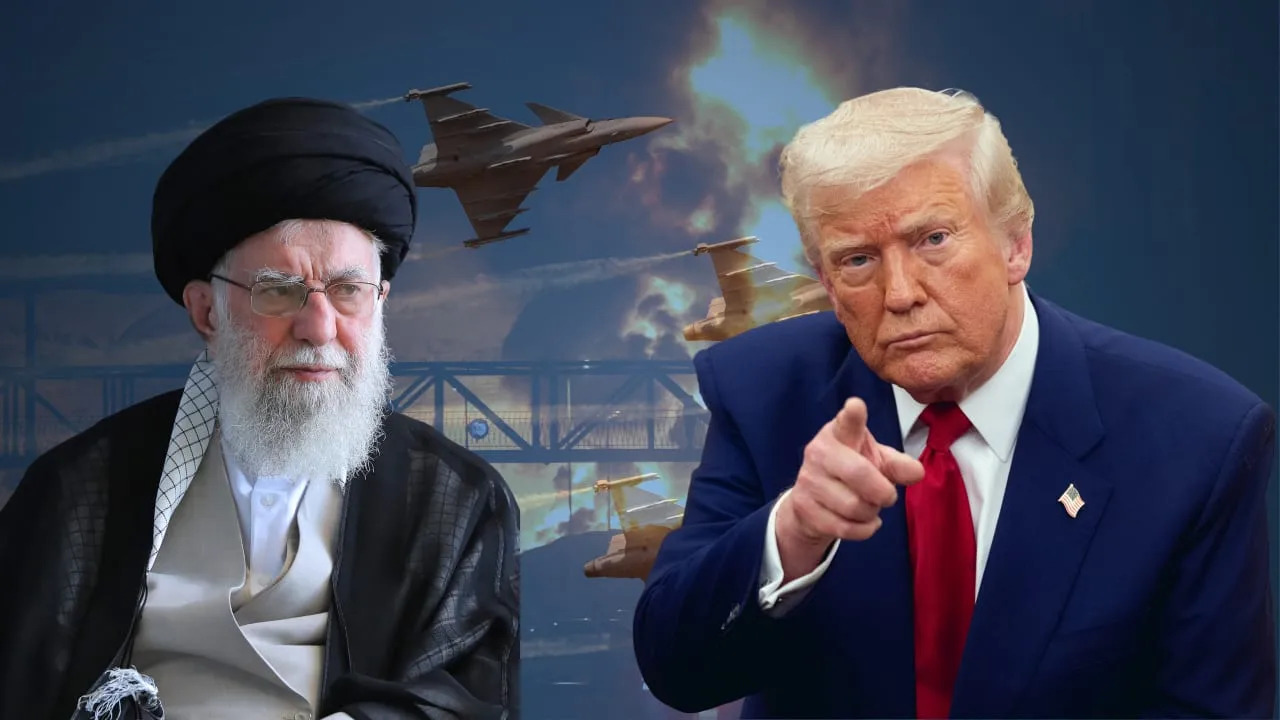
The Trump administration held a second round of indirect talks with Iran on its nuclear programme in Geneva this week, with Oman acting as mediator. The first round, held in Muscat, produced no breakthroughs. On the US side are Trump’s special envoy, Steve Witkoff, and his son-in-law, Jared Kushner. Iran’s delegation is led by Foreign Minister Abbas Araqchi, one of Tehran’s most experienced diplomats.
President Trump has made his demands clear. Tehran, however, has shown little willingness to concede on core issues.
The central sticking point, according to sources, is Washington’s demand that Iran accept limits on the range of its ballistic missiles. The United States is also pressing Iran to abandon its nuclear ambitions entirely, despite Tehran’s repeated insistence that it is not pursuing an atomic weapon. Beyond the nuclear file, Washington seeks to broaden negotiations to include non-nuclear concerns.
Tehran, for its part, insists that talks remain strictly confined to the nuclear programme. It has signalled willingness to discuss curbs on enrichment in exchange for sanctions relief, but has firmly ruled out negotiations over its ballistic missile programme, its support for regional militia groups, or the complete cessation of uranium enrichment.
One thing is clear: both sides are advancing on multiple fronts, keeping diplomacy on the table while maintaining a high risk of conflict. On Thursday, President Trump used the first meeting of his “Board of Peace” to discuss the possibility of war with Iran, warning that Tehran had 10 to 15 days to reach a “meaningful deal” with Washington. Tehran, in turn, has pledged to respond “decisively” to any US military aggression.
American Firepower
President Trump takes pride in the United States’ formidable stockpile of both conventional and nuclear weapons. Reinforcements have been deployed across US military bases in the region, with the USS Abraham Lincoln Carrier Strike Group already in position.
It is unlikely that such a concentration of firepower would be assembled without the potential for use. But the key question remains: at what cost? Iran is prepared to retaliate, with US military assets and facilities in the region considered potential targets.
The onus is on President Trump to either fire the first shot or uphold his self-proclaimed role as “peacemaker.”
Tehran’s Options
Iran retains a formidable quantitative and asymmetric advantage, particularly in missile capacity and regional positioning. The Ayatollah has warned that Iran has “the capacity to sink a US warship.” The Islamic Revolutionary Guard Corps (IRGC), the country’s powerful military arm, remains battle-ready, with its primary mission to protect the regime. Parts of Iran’s missile and drone arsenal have ranges of up to 2,000 kilometres, capable of striking US bases across the region, including those in Israel. But numbers alone do not guarantee endurance or favourable actions.
The Iranian economy is far weakened, barely capable of sustaining a war. Recent protests were largely triggered by a sharp economic downturn, particularly the collapse of the Iranian rial, which fell to record lows against the US dollar in late December 2025. Under the additional strain of military conflict, the already fragile economy could face severe destabilisation, with the risk of deeper internal unrest.
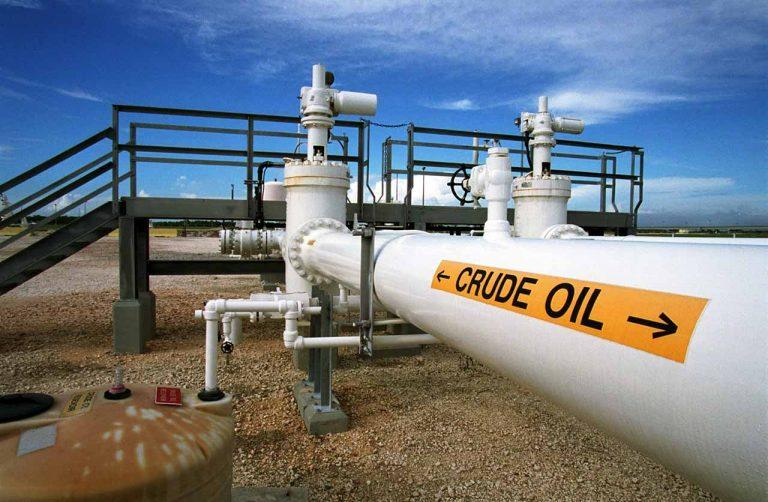
Iran has also demonstrated its capacity to threaten US economic interests through its naval leverage in the Strait of Hormuz. The narrow waterway remains one of the world’s most critical chokepoints for global oil exports. Iranian officials have repeatedly threatened to impose a blockade, though any attempt to close the strait would come with enormous economic consequences for global trade and commerce.
Bumpy Road Ahead
Relations between the United States and Iran have remained largely adversarial since the 1979 Islamic Revolution. Decades of mistrust have left both sides deeply entrenched, with positions that appear far apart and difficult to reconcile. The gaps are wide, and bridging them without escalation will require more than rhetoric.
There remains space for dialogue, but its success depends on whether both sides are genuinely willing to listen and to compromise. For now, the path forward remains uncertain. It is, unmistakably, a bumpy road ahead.