Tinubu unveils 2026 as ‘year of families’, targets poverty, insecurity with new social agenda
President Bola Ahmed Tinubu has declared 2026 as Nigeria’s Year of Families and Social Development, unveiling a new policy direction that places the family unit at the centre of national growth and stability.
The President said prioritising families represents a strategic shift designed to tackle poverty, insecurity, and social instability across the country.
The Minister of Women Affairs and Social Development, Imaan Sulaiman-Ibrahim, disclosed this in a statement released on Friday, noting that Tinubu made the declaration at the State House in Abuja.
According to the President, strengthening family structures is critical to building a stable and prosperous society, adding that countries such as Türkiye, the United Arab Emirates, and Egypt have successfully adopted similar family-focused governance models to drive sustainable development.
“Strong families are a national security and development asset.
Societies that invest in family stability reduce vulnerability and long-term instability. I hereby direct that the year 2026 be designated as the Year of Social Development and Families in Nigeria, with coordinated action across all arms and levels of government,” Tinubu stated.
The declaration follows Tinubu’s state visit to Türkiye in January, where Nigeria signed a strategic Memorandum of Understanding aimed at strengthening cooperation in family cohesion and social welfare. The agreement is expected to guide reforms in social services, child protection, and community support systems.
Sulaiman-Ibrahim said the administration is already taking concrete steps to back the President’s commitment, stressing that social development efforts will now focus on coordinated family policies nationwide.
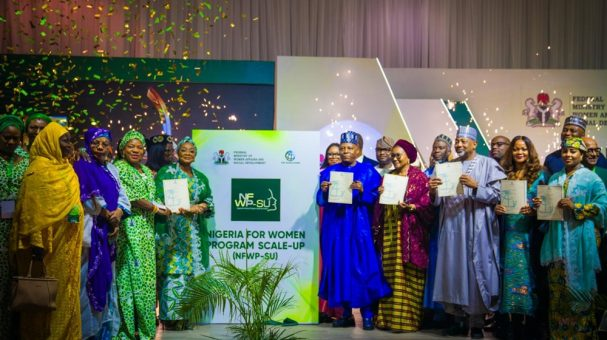
She revealed that the proposed Nigeria Families First Programme (NFFP) will serve as the government’s major platform for implementing family-centred interventions. The initiative is expected to address economic challenges faced by households while improving child welfare and social stability.
The Minister explained that the programme will support family economic empowerment through sustainable livelihood opportunities, improve parenting skills through education and training, expand child-focused social protection measures, and enhance access to healthcare, housing, and professional care services.
She added that the initiative is part of the administration’s broader Renewed Hope Social Impact Interventions, a nine-pillar framework designed to improve outcomes for women and children and aligned with the Beijing Declaration and Platform for Action on gender equality and child welfare.
The policy also aims to ensure that government interventions in health, education, housing, and employment begin at the household level rather than through fragmented social programmes.
Sulaiman-Ibrahim emphasised that the success of the initiative would depend on effective collaboration among federal, state, and local governments, alongside sustained funding and proper monitoring.
She noted that if fully implemented, the family-centred strategy could significantly reduce poverty, strengthen social safety nets, and address some of the root causes of insecurity nationwide.
The government is expected to unveil detailed action plans and partnerships in the coming months to translate the policy into tangible benefits for Nigerian families.