Kwara govt trains health workers to improve polio surveillance, outbreak response
…UNICEF-backed training targets communication, community engagement and missed children
The Kwara State Primary Health Care Development Agency (KWSPHCDA), in collaboration with UNICEF, has trained frontline health workers on polio surveillance, interpersonal communication and outbreak response.
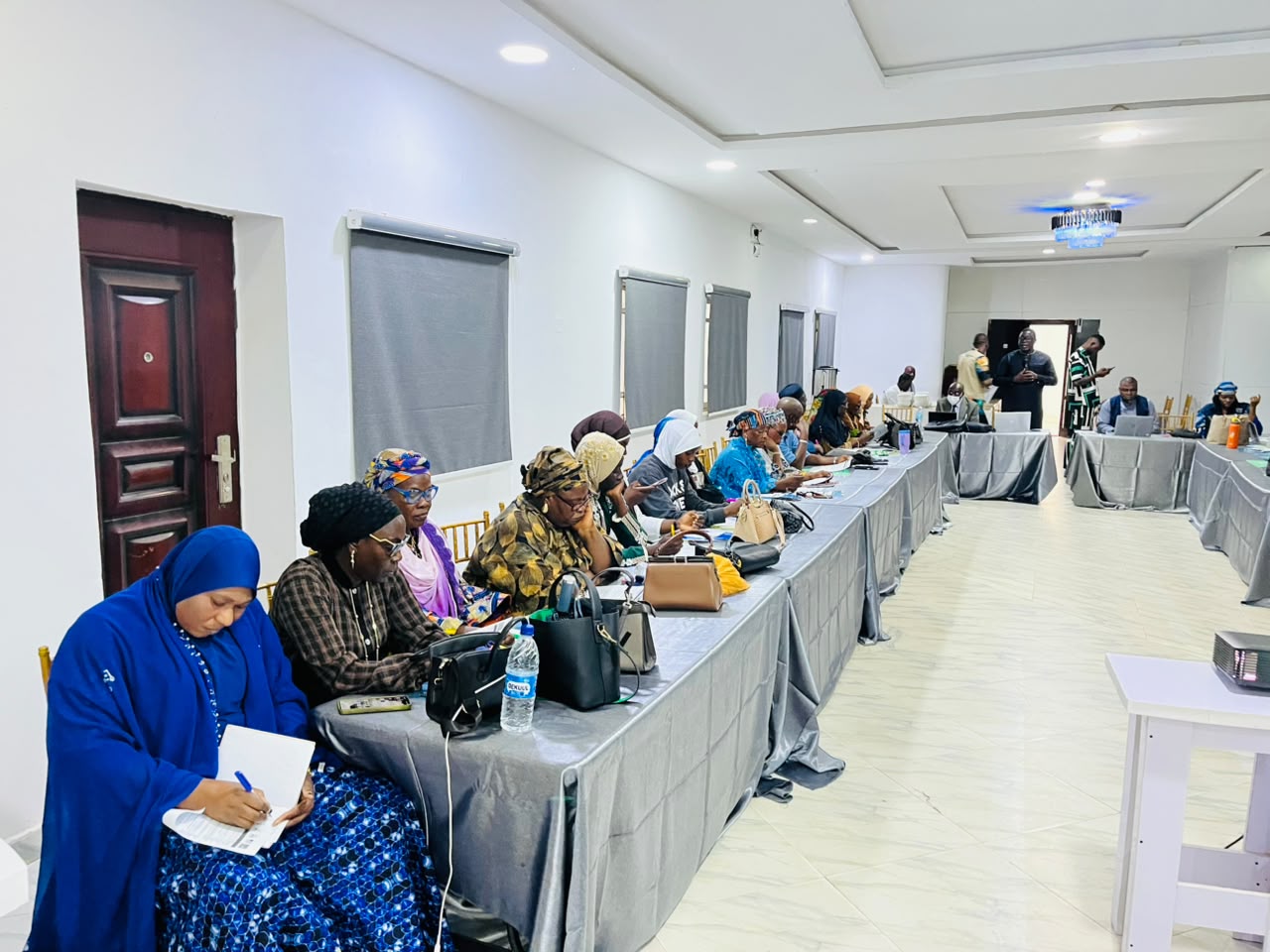
The one-day training, held on Tuesday at G-Pinnacle Hotel & Suites, Ilorin, was aimed at strengthening the capacity of health workers to engage communities effectively, identify cases of Acute Flaccid Paralysis (AFP) and respond promptly to disease outbreaks.
Declaring the training open, the Executive Secretary of KWSPHCDA, Prof Nusirat Elelu, said strengthening the communication skills of frontline health workers was essential to improving the delivery of primary healthcare interventions.
Represented by the Director, Primary Health Care Systems, Dr Michael Oguntoye, Elelu said effective communication and meaningful community engagement were critical to building trust, addressing concerns and ensuring eligible children were reached with life-saving immunisation and other essential health services.
Oguntoye also facilitated sessions on “Polio: Key Facts and Why This Training Matters” and “Roles and Responsibilities of Health Workers; Common Reasons for Missed Children.”
The sessions focused on participants’ roles in polio surveillance and immunisation activities, as well as factors that could result in children being missed during vaccination exercises.
The UNICEF Social and Behaviour Change Consultant Specialist, Country Office, Dr Noma Owen, urged participants to pay close attention to the training and apply effective communication skills in their day-to-day work.
Owen described the health workers as agents of change, saying improved communication would strengthen their engagement with communities and enhance their effectiveness.
The lead facilitator, Prof Salaudeen Adekunle of the University of Ilorin, demonstrated community engagement techniques through practical exercises and role-play sessions.
He also stressed the importance of effective messaging and behaviour change, urging health workers to understand their audiences and communicate health information in ways that encourage informed decisions.
Other sessions covered polio facts, community engagement, interpersonal communication, effective messaging, behaviour change, handling difficult conversations and rumours, AFP surveillance and outbreak response.
Experts from UNICEF, the World Health Organisation, AFENET and KWSPHCDA facilitated the sessions.
Participants were drawn from Ilorin South, Ilorin East, Ilorin West and Moro local government areas, with each LGA providing eight participants comprising health facility personnel, programme officers, representatives of the LGA Nurses Association and LGA Community Health Extension Workers Association.
The training also included pre- and post-training assessments to measure participants’ knowledge and understanding before and after the sessions.