Kwara adopts multisectoral strategy to end female genital mutilation
The Kwara State Government has reaffirmed its commitment to eradicating Female Genital Mutilation (FGM) and other harmful social practices, calling for a stronger multisectoral approach as it reviews its 2026–2030 Action Plan on FGM.
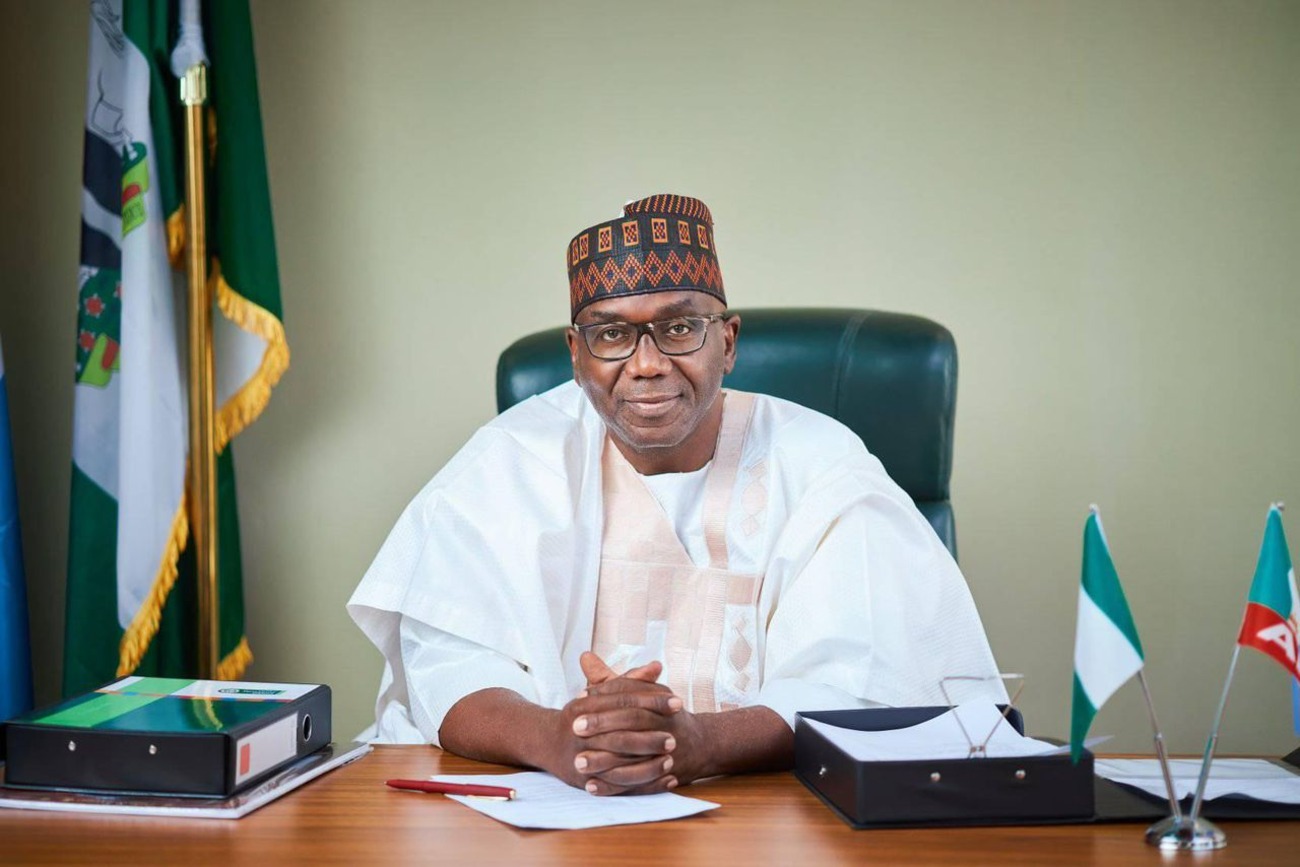
The Commissioner for Women Affairs, Chief (Mrs) Opeyemi Oluwakemi Afolashade, made the call on Tuesday during a review meeting held at the conference room of the Ministry in Ilorin.
Represented by the Director of Personnel, Finance and Supply, Alhaji Rasheed Ubandawaki, the Commissioner noted that the present administration has demonstrated firm commitment to ending harmful practices through the implementation of the Violence Against Persons Prohibition (VAPP) Act and the Child Rights Law.
She explained that the government has embarked on advocacy visits to first-class traditional rulers across the three senatorial districts to secure their support, appointed champions for the eradication of FGM, and facilitated the signing of oaths of allegiance against the practice.
According to her, the state has also intensified advocacy efforts in schools and religious organisations, engaged the Association of Market Men and Women in Ilorin metropolis, and sensitised FGM practitioners across the state with the aim of eliminating the practice.
Chief Afolashade commended members of the Child Rights Implementation Committee (CRIC) and other stakeholders for their sustained efforts in promoting child welfare. She urged them to make meaningful contributions toward the development of a new work plan for 2027–2030.
She further revealed that the state government would convene an FGM Convention to commemorate the International Day of Zero Tolerance for FGM.
In his remarks, the Director of Public Health at the Ministry of Health, Dr. Oluwatosin Fakayode, represented by Dr. Buhari Oladimeji, stressed the importance of conducting a comprehensive survey to identify FGM practitioners across the 16 Local Government Areas of the state. He said maintaining up-to-date data on FGM cases and other harmful practices is critical to effective intervention.
Also speaking, the Director of the National Human Rights Commission (NHRC) in the state, Barrister Jumoke Olaoye, disclosed that the Commission has carried out sensitisation programmes in schools, enlightened communities on the existence of the VAPP Act in Moro Local Government Area, and engaged traditional rulers on the need to eliminate FGM.
The Deputy Director of Gender-Based Violence at the Ministry of Justice and Chairperson of the International Federation of Women Lawyers, Barrister Funke Balogun, identified family interference as a major challenge in prosecuting FGM cases.
She noted that relatives often intervene on behalf of perpetrators, even after arrests have been made, thereby frustrating prosecution efforts. She also highlighted the need to address the economic disengagement of FGM practitioners, urging that they be supported to transition into alternative, productive livelihoods instead of harming the girl-child.
Meanwhile, the Chief Executive Officer of the Welfare for Children and Teenagers Initiative (WECTIN), Mr. Ojo Stephen, said the organisation has conducted sensitisation campaigns in Ilorin West and Ilorin South Local Government Areas.
Similarly, the Programme Officer of Save the Future of Children Initiative (SAFIN), Hajia Kamardeen Kafilat, outlined the group’s activities in Asa Local Government Area, emphasising sustained community engagement as key to ending the practice.
The meeting brought together government officials, civil society organisations and other stakeholders, all reiterating their shared resolve to eliminate FGM and safeguard the rights and wellbeing of women and children across Kwara State.