Iran war pushes petrol close to N1,000 in Nigeria as global oil prices surge
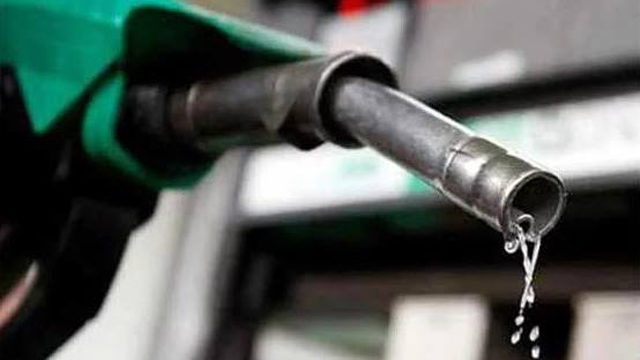
The escalating conflict involving the United States, Israel and Iran has begun to impact Nigeria’s downstream petroleum market, triggering a sharp rise in the pump price of Premium Motor Spirit (PMS), commonly known as petrol.
Following a surge in global crude oil prices, Dangote Refinery on Monday raised its gantry price by N100, increasing the ex-depot rate from N774 to N874 per litre. The adjustment has since prompted retail outlets nationwide to revise their pump prices upward.
In Abuja, several filling stations operated by Nigerian National Petroleum Company Limited (NNPCL) increased petrol prices from N875 to N960 per litre. In Lagos, checks along Ogunnusi Road showed that while NNPCL outlets were not dispensing fuel at the time of observation, independent marketers had already adjusted their prices. A Bovas filling station, for instance, raised its pump price from N835 to N935 per litre.
The price hike follows heightened tensions in the Middle East after reported joint airstrikes by the US and Israel on Iranian targets, which allegedly resulted in the death of Iran’s Supreme Leader, Ayatollah Ali Khamenei. Iran has reportedly retaliated with attacks on US military installations and allied interests across the Gulf region, including the UAE, Qatar, Bahrain and Saudi Arabia.
The crisis has disrupted global oil supply chains, pushing Brent crude above $80 per barrel. As of Monday, Brent traded at approximately $84.2 per barrel, with analysts warning it could climb beyond $100 if hostilities persist or if shipping activities through the Strait of Hormuz are significantly restricted.
While higher crude prices could translate to increased oil revenue for Nigeria, the immediate consequence for consumers is rising fuel costs — a development that threatens to exacerbate inflationary pressures and deepen economic hardship.
Meanwhile, petroleum marketers under the umbrella of the Petroleum Products Retail Outlets Owners Association of Nigeria (PETROAN) have expressed concern over the situation. In a statement signed by its National Publicity Secretary, Dr Joseph Obele, and delivered in Abuja by National President Dr Billy Gillis-Harry, the association described the geopolitical tensions as a major threat to energy-importing nations like Nigeria.
Gillis-Harry noted that roughly 20 per cent of global crude oil and a significant portion of liquefied natural gas shipments pass daily through the Strait of Hormuz, making any disruption a serious risk to international supply chains.
He explained that with the deregulation of Nigeria’s downstream sector, domestic pump prices are largely influenced by global crude oil prices and exchange rates. According to him, sustained increases in crude prices will inevitably reflect at retail outlets.
PETROAN warned that prolonged instability could intensify pressure on Nigeria’s foreign exchange reserves, drive up transportation costs, and worsen inflation.
To cushion the impact of global volatility, the association urged the Federal Government to prioritise domestic refining capacity by ensuring consistent crude supply to local refineries and sustaining the Naira-for-Crude policy. It also called for the full rehabilitation and operationalisation of Nigeria’s four state-owned refineries to reduce reliance on imports and enhance national energy security.
The marketers assured Nigerians of continued engagement with stakeholders to monitor developments in the global oil market while advocating diplomatic efforts toward a peaceful resolution of the Middle East conflict to stabilise global petroleum supply chains.