FEATURE | How Kwara’s health insurance scheme is changing the cost of survival
By Ismaila Kiyesola
Kwara State’s health insurance scheme also ‘Kwara Care’ is reshaping access to healthcare for low income and informal sector families, offering a lifeline against the burden of out of pocket medical costs.
Through the experiences of beneficiaries, this report explores how the initiative is reducing financial hardship, improving access to quality care and advancing universal health coverage, while also highlighting the persistent challenges of rural inclusion and awareness
It was a Saturday morning in March 2023 when Salamat Ibrahim*, a small scale trader in Ilorin, woke with a quiet sense of dread beneath the anticipation of childbirth. She had carried her pregnancy for nine months. Her expected date of delivery was close. Yet, instead of counting down the days with excitement, she found herself whispering private prayers for more time. Not because she feared labour, but because the numbers did not add up.
Throughout her pregnancy, Salamat and her husband, a tricycle driver, had tried to save. They put aside what they could from daily earnings, balancing between food, rent and transport. Still, the economic strain meant their savings never matched the cost of delivery.
“Yes, we were saving, but you know the situation of the country, we were spending on other basic things as well. After giving birth, it was a very difficult moment for us,” she said.
The difficulty lingered long after childbirth. Unable to pay the N60,000 hospital bill, Salamat remained at the facility, not as a patient in recovery but as someone held back by debt.
“My husband was running around already and I was lying in the hospital like an arrested patient. Each day adds more to our bills.
“Eventually, my husband had to take a very high interest loan that will eventually take us up to 6 months to pay back,” she said.
A system that leaves many behind
Across Nigeria, healthcare remains largely dependent on out of pocket payments, a system that places the heaviest burden on low income earning families. For many, especially pregnant women, accessing care often comes with a difficult trade off between health and financial survival.
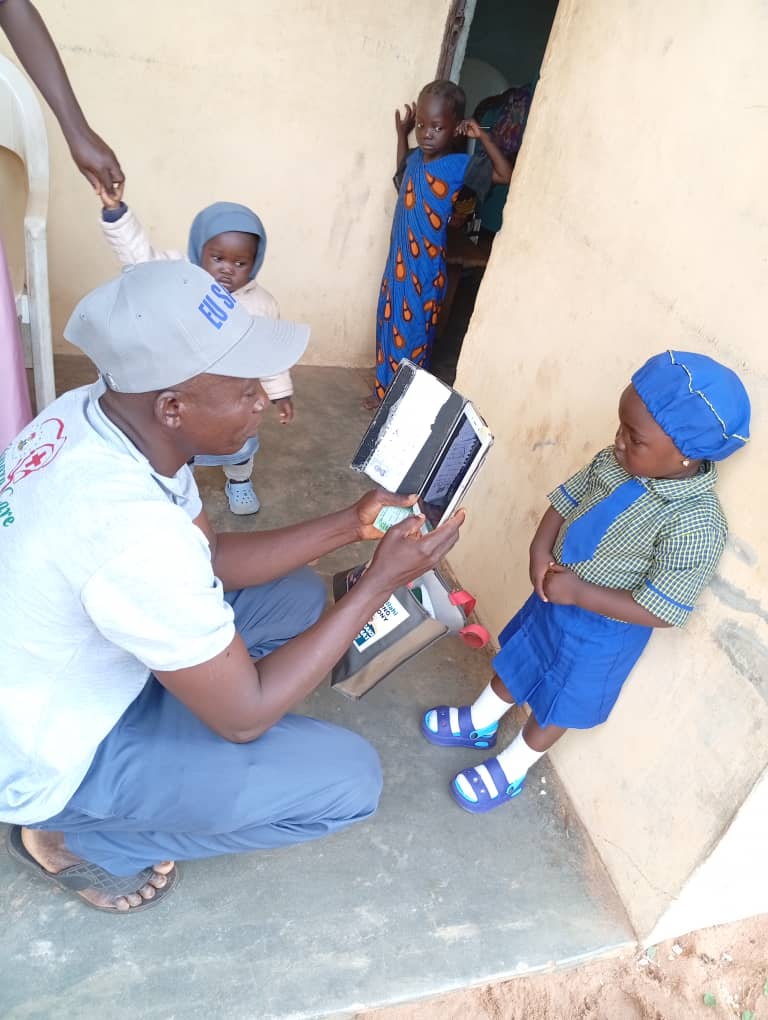
In Kwara State, the introduction of the Kwara State Health Insurance Scheme, popularly known as ‘Kwara Care’, is attempting to rewrite that reality. Designed to extend coverage to workers, low income households and vulnerable groups, the programme offers a structured alternative where residents pay a fixed annual premium or receive subsidies, reducing the unpredictability of medical costs and expanding access to essential care.
A different second time
For Salamat, that shift became real two years later. When she became pregnant again, the fear that had once defined her experience was replaced with cautious relief. This time, she had enrolled in the state health insurance scheme.
“For my second baby, I even gave birth through CS in 2025, I was supposed to pay over N300,000. I know I don’t have up to that amount at that time,” she said.
Her business was worth less than N200,000. Her husband’s income remained unstable.
“There was no way we could have come up with that amount. But we have registered for the insurance and it was a saving grace for us. Even during pregnancy time, we had to focus on how to buy other things for the baby,” she added.
The contrast was there. What had once pushed the family into debt now passed without a financial crisis.
It is not only her, Mr. Folorunsho Olufemi, another beneficiary, the difference showed in both cost and quality of care.
He recalled his wife’s admission at the Kwara State University Teaching Hospital (formerly General Hospital, Ilorin). Unlike previous experiences shaped by uncertainty, this time the family had some assurance.
According to him, they received quality medical attention and only paid for drugs that were sourced outside the hospital.
His account reflects a central promise of the scheme, that access to healthcare should not automatically translate into financial distress.
From policy to practice
The Kwara State Health Insurance Scheme was established by law on November 15, 2017, with a mandate to provide mandatory health insurance coverage for all residents, including public and private sector workers, informal workers, the unemployed and vulnerable populations.
For years, access to proper healthcare in Nigeria has remained largely exclusive to the elite. Many in the informal sector rely on medicine stores, a situation that has encouraged the rise of untrained practitioners posing as healthcare professionals.
While the National Health Insurance Scheme attempted to address this gap, it covered only about 2 percent of the population, largely within corporate organisations, leaving the vast informal sector without protection.
Although the Kwara scheme was enacted earlier, it was not until 2020 that it became operational, following funding support from the administration of Governor AbdulRahman AbdulRazaq.
Speaking on the development, the Executive Secretary, Dr. Olubunmi Jetawo-Winter, explained that the groundwork began years before implementation fully took off.
She said the ribbon cutting took place in 2018, but real funding and operations only started in 2020 when the government provided the necessary backing.
“Our management staff were carefully selected from the civil services and the private sector in different fields of expertise to deliver our core mandate of providing affordable, accessible and available health care services to the residents of Kwara State,” she said.
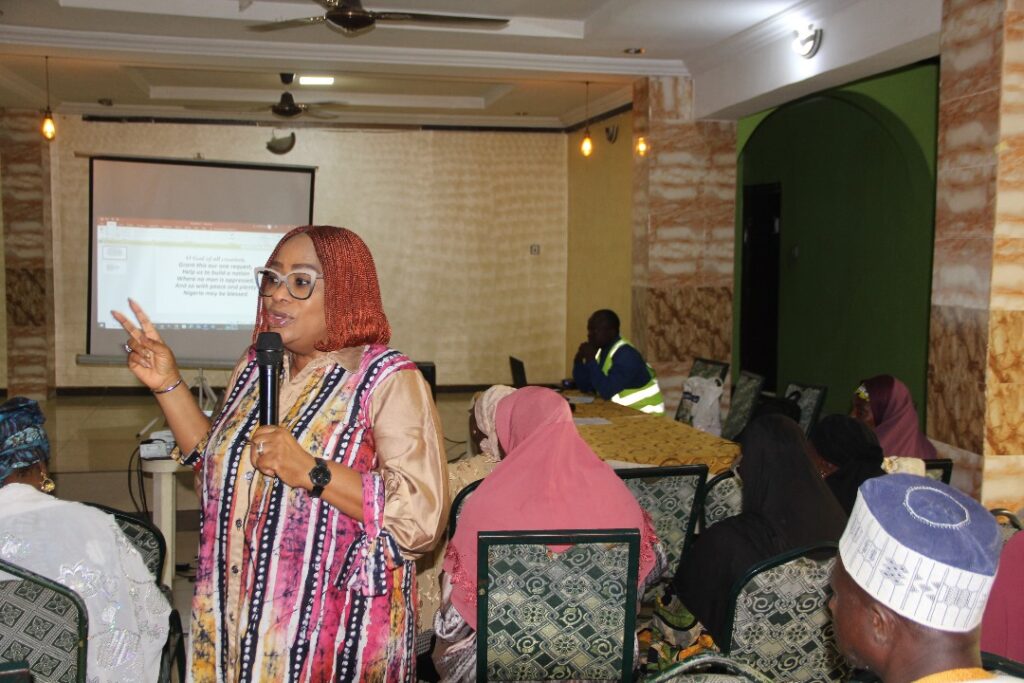
She added that the agency’s digital platform enables near real time operations, ensuring accountability and transparency across its processes.
“Our core values are elicited everyday and everywhere we work down to the grassroot of Kwara State.
“UHC (Universal Health Coverage) — Our mantra is ‘No one must be left behind,’” she said.
How the scheme works
At the centre of ‘Kwara Care’ is a financing model built on pre-payment, risk pooling, and targeted subsidies.
The scheme offers different plans. The informal health plan costs N15,500 annually and targets artisans, farmers, and self employed individuals. The formal plan costs N18,000 and applies to civil servants and private sector employees, with contributions shared between employers and staff.
For vulnerable groups, the equity plan is subsidised, with eligibility determined by the state.
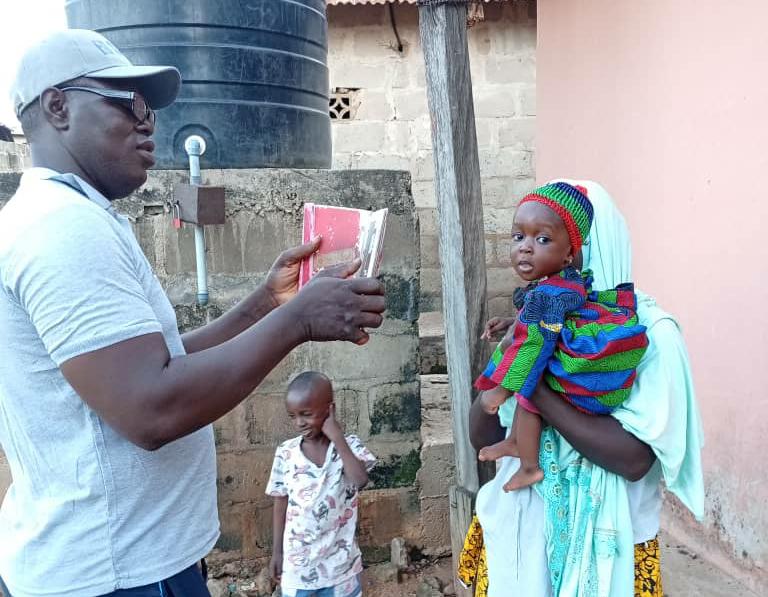
Dr. Olubunmi explained that enrollees receive a health benefits card upon registration and are required to select an accredited healthcare provider, adding that flexible payment options exist through a health wallet system, allowing installment payments.
The benefits extend to families, covering up to six children under the age of 18.
The scheme covers common health conditions such as asthma, diabetes, high blood pressure, among several others helping to prevent complications from late treatment.
However, certain expensive medical services remain excluded, including specialised surgeries like brain and kidney transplants, in vitro fertilisation, hormone replacement therapy, congenital abnormalities, self inflicted injuries, drug addiction, provision of prosthesis and cancer treatment.
Technology, partnerships and growth
Technology plays a central role in the scheme’s operations. Enrollment, claims processing and monitoring are handled digitally, while a toll free line allows residents to report complaints or seek information.
Only accredited health facilities are allowed to participate, with periodic checks to ensure compliance with standards.
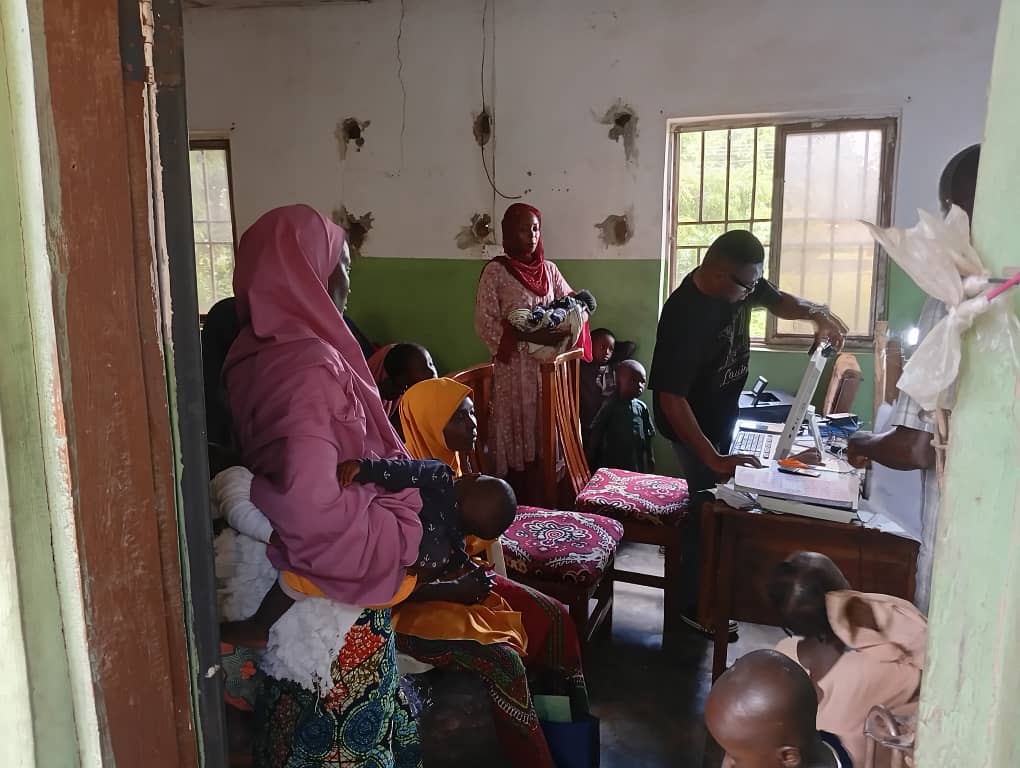
According to Dr. Olubunmi, the scheme’s transparency has attracted international partnerships. She noted that collaboration with UNICEF has helped expand coverage for vulnerable populations, while integration of HIV/AIDS and tuberculosis care ensures broader health support.
Kwara, she added, is now among five states benefiting from the Global Fund grant, a development she linked to the strength of its digital accountability systems.
Gaps in the hinterlands
Despite the progress recorded, challenges persist. Data obtained by The Informant247 shows that the scheme currently has over 150,000 enrollees, representing roughly 4.5 percent of Kwara State’s estimated 3.5 million population. The figure underscores concerns that coverage remains relatively low.
Findings indicate that enrollment is particularly limited in rural areas, where awareness of the scheme is still very low. In Kpata-Gbaradogi, Pategi Local Government Area of the state, Yunusa Ibrahim said he had never heard of it and continues to pay full hospital bills whenever the need arises.
“They have forgotten us here. We don’t benefit from the package. Maybe it is only focused on Ilorin,” he said.
Further findings indicate that poor sensitisation and lack of internet access have slowed adoption in these communities, many of which have high poverty rates.
Responding to this, Dr. Olubunmi acknowledged the difficulties. “We are working on sensitization. Though we have several challenges in rural areas,” she said.
She explained that in some cases, enrollment officers were mistaken for tax collectors, leading to resistance that required intervention from traditional leaders.
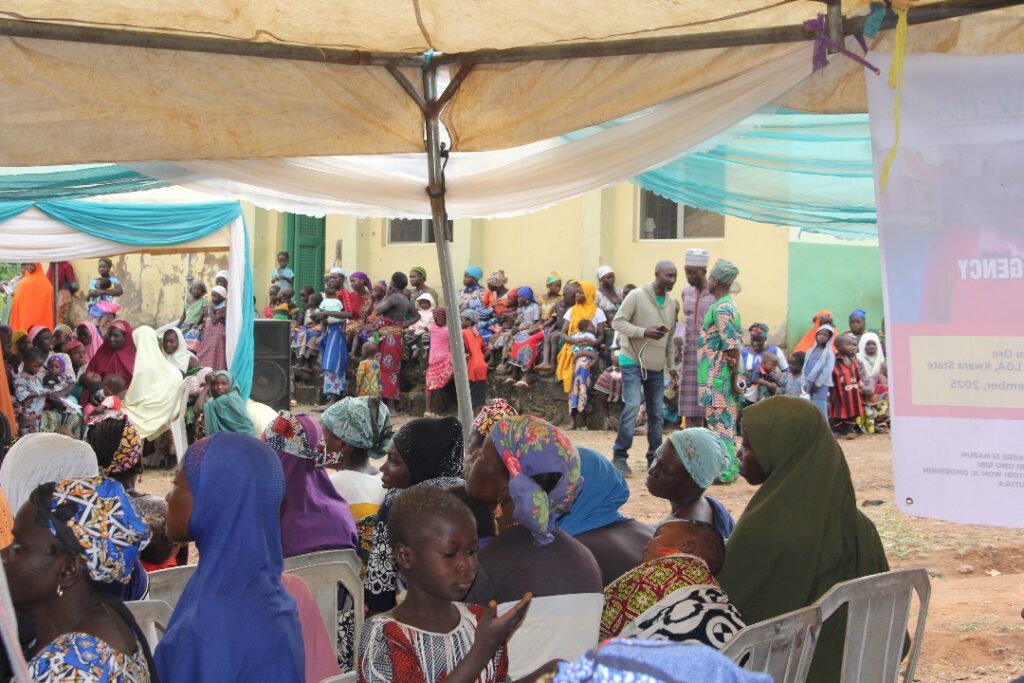
She added that there have also been cases of impersonation, false claims and resale of drugs, prompting tighter monitoring.
To address the connectivity gap, she said the agency now uses primary healthcare centres as enrollment and data collection points in rural areas.
“What we now do about rural and hard to reach areas without the internet is that we adopted the existing Primary Health Care (PHC) centres that serve as enrollment and data-collection points in rural areas,” she said, adding that the centres also function as service delivery points.
She noted that the state plans to introduce telemedicine to improve access, particularly in remote communities.
Editor’s note: Names marked with an asterisk (*) have been changed to protect the identities of individuals due to the sensitive nature of their medical records and personal information.
This report is produced as part of our newly launched ‘Informant247 Development and Solutions Reporting Project’, an initiative designed to spotlight and amplify solution-driven interventions and measurable impacts across both the public and private sectors.
Through this project, we aim to document and share compelling stories of organisations, institutions and individuals working to address pressing social and developmental challenges through innovative and sustainable solutions.
Nominations are independently selected and rigorously investigated to ensure credibility, impact and public interest.
To nominate any entity providing impactful service for spotlighting, kindly send an email to salihuayatullahi@gmail.com or WhatsApp message to 08125284937
in