Despite rising allocations, Kwara’s foreign debt jumps by $48.5m under Gov AbdulRazaq this year
Kwara State’s external debt stock rose from $64.16 million (about N88.49 billion) in December 2025 to $112.65 million (about N155.37 billion) in June 2026, an increase of $48.49 million (approximately N66.88 billion) this year alone. The surge comes amid a significant rise in federal allocations to the state, which have increased from about N3.28 billion in April 2019 to more than N15 billion in the corresponding 2026 disbursement.
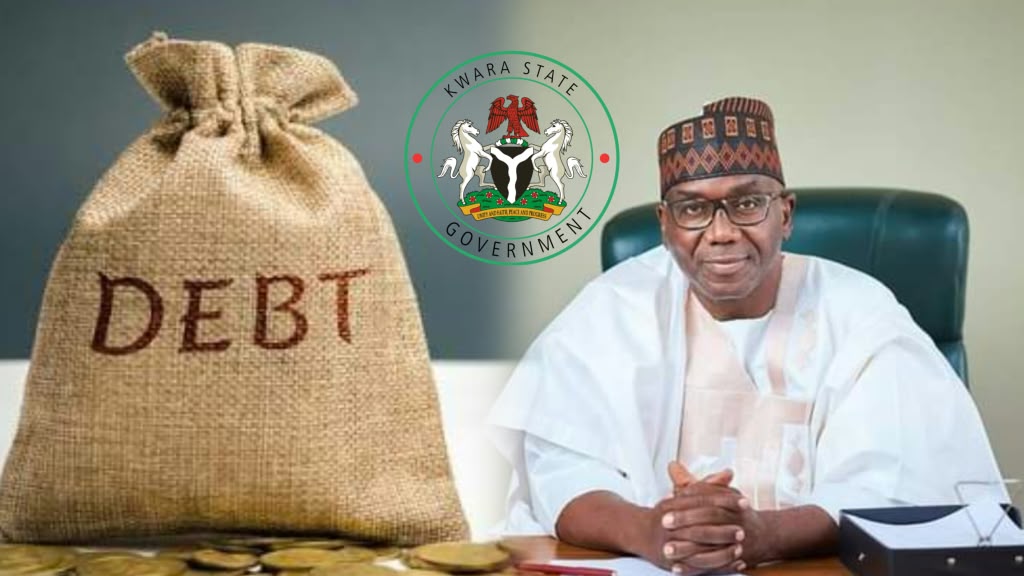
Kwara State’s foreign debt has increased by nearly 76 per cent in six months, reaching $112.65 million (about N155.37 billion) as at June 2026, despite a substantial increase in federal allocations to the state under Governor AbdulRahman AbdulRazaq.
Figures published by the Debt Management Office (DMO) show that Kwara’s external debt stock stood at $64.16 million as at December 31, 2025. By June 30, 2026, the figure had risen to $112.65 million, representing an increase of approximately $48.49 million within six months.
The development comes against the backdrop of increased revenue allocations from the Federation Account Allocation Committee (FAAC), which have significantly expanded the financial resources available to state governments since AbdulRazaq assumed office in May 2019.
In April 2019, the month before AbdulRazaq became governor, Kwara received N3.28 billion in net FAAC allocation, according to the National Bureau of Statistics (NBS).
By comparison, the Office of the Accountant-General of the Federation’s FAAC disbursement report for April 2026, shared in May, puts the state’s net allocation at approximately N15.09 billion.
The figure represents an increase of about 360 per cent compared with the April 2019 allocation.
Yet, as the state’s federal revenue receipts have grown, its external debt exposure has also increased, raising questions about the pace of borrowing, the projects financed through the loans and the long-term implications for public finances.
Foreign debt more than doubles
The DMO’s records provide a picture of the expansion of Kwara’s external debt portfolio over the period.
As at December 31, 2024, the state’s external debt stood at $43.20 million. The amount increased to $64.16 million by December 2025 before climbing further to $112.65 million by June 2026.

This means that between December 2024 and June 2026, Kwara’s external debt stock increased by approximately $69.45 million, representing a rise of about 160.7 per cent.
The latest increase is particularly significant because almost $48.5 million was added to the outstanding debt stock between December 2025 and June 2026 alone.

Using the Central Bank of Nigeria’s official exchange rate of N1,379.1842 to the dollar, which the DMO applied as at June 30, 2026, Kwara’s June external debt translates to approximately N155.37 billion.
At the same exchange rate, the December 2025 debt stock would amount to approximately N88.49 billion. The difference is about N66.88 billion in naira terms.
The DMO’s June 2026 report shows that the bulk of Kwara’s foreign debt consists of multilateral loans.
Of the $112.65 million outstanding, approximately $108.66 million was classified as multilateral debt, while $3.99 million came from bilateral creditors.
The multilateral component includes loans from international financial institutions, while bilateral borrowing involves financing arrangements between governments or their designated agencies.
The figures indicate that the state’s foreign debt exposure is largely tied to multilateral financing.
Federal allocations rise significantly
The expansion of Kwara’s external debt has coincided with a substantial increase in the revenue it receives from the federation.
In April 2019, Kwara received N3,279,896,086.07 as its net FAAC allocation, according to the NBS’s 2019 FAAC Disbursement Series.
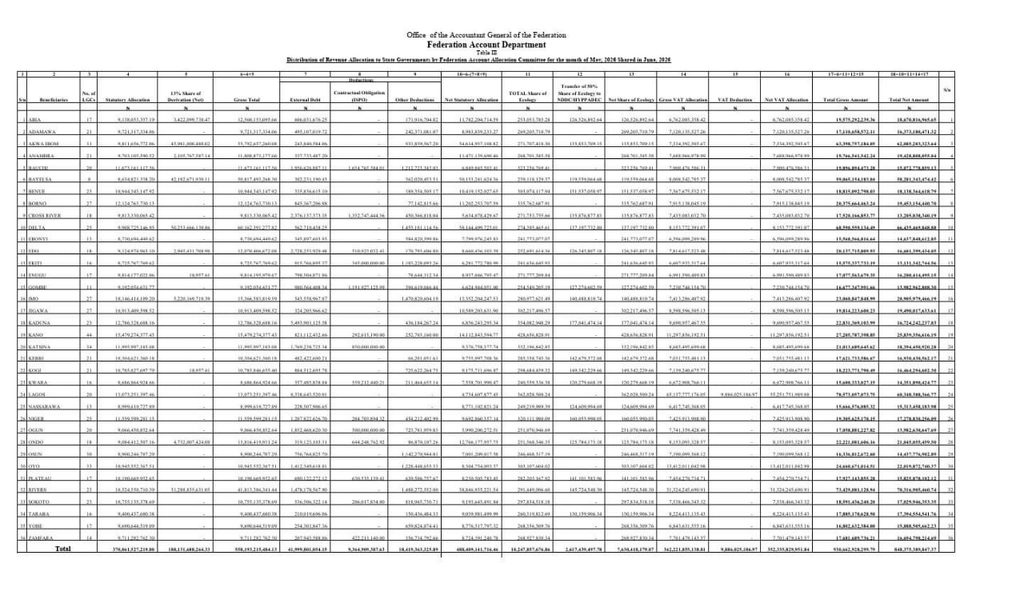
The allocation reflected the revenue available to the state before the significant changes in federal revenue distribution that followed in subsequent years.
Seven years later, the state’s allocation had grown considerably.
The OAGF’s report covering the April 2026 FAAC distribution, shared in May, records a total net allocation of N15,086,296,181.29 for Kwara. This represents an increase of approximately N11.81 billion compared with April 2019.
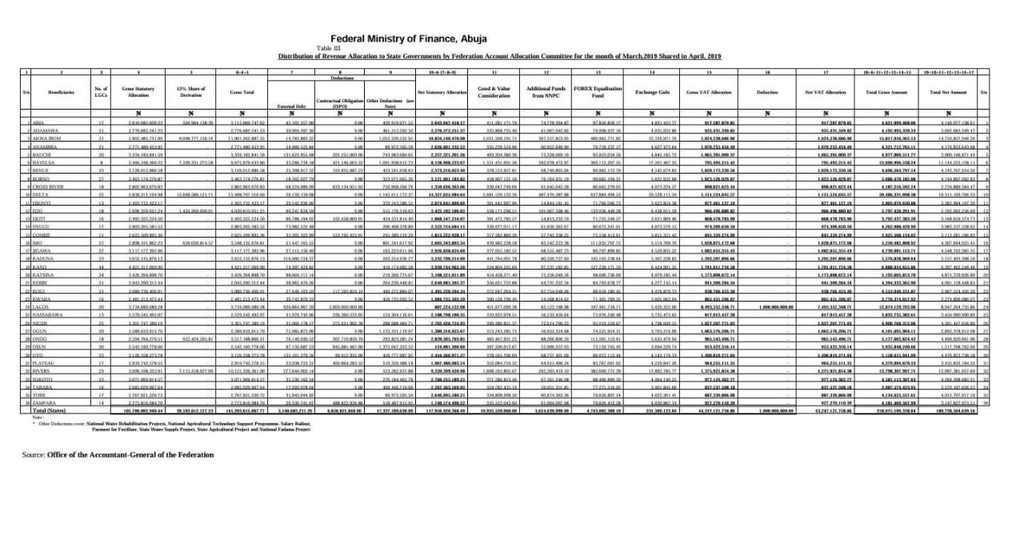
In percentage terms, the amount received in the 2026 disbursement was about 4.6 times the April 2019 figure.
The increase reflects the changing revenue environment, including higher statutory allocations and value-added tax receipts, as well as other components of federal revenue distribution.
While federal transfers are not the only source of revenue available to the state, they constitute an important part of its fiscal resources.
2024-2025: Foreign debt rose by nearly 49%
Kwara’s external debt also recorded a substantial increase between December 2024 and December 2025, rising from $43.20 million to $64.16 million, according to the Debt Management Office (DMO).

The figures represent an increase of approximately $20.95 million within 12 months, equivalent to about 48.5 per cent.
At the June 2026 official exchange rate of N1,379.1842 to the dollar, the additional debt translates to approximately N28.89 billion.
The increase meant that Kwara’s foreign debt had already grown by nearly half in 2025, before rising by a further 75.6 per cent in the first six months of 2026.
Taken together, the figures show that the state’s external debt increased from $43.20 million in December 2024 to $112.65 million in June 2026, representing an increase of approximately 160.7 per cent in 18 months.
In naira terms, using the June 2026 exchange rate consistently, the debt stock rose from approximately N59.58 billion to N155.37 billion over the period.
Debt repayments already feature in FAAC deductions
The state’s debt obligations are also reflected in deductions made before allocations are received.
The OAGF’s April 2026 distribution report, shared in May, records N357.49 million in external debt deductions from Kwara’s allocation.
The report also lists approximately N559.21 million in contractual obligations under the Irrevocable Standing Payment Order (ISPO) arrangement and another N211.46 million in other deductions.
These deductions reduce the amount available to the state after its gross allocation has been calculated.
The external debt deduction is particularly relevant because it shows that foreign borrowing carries repayment obligations that directly affect the state’s revenue position.
Under an ISPO arrangement, payments are deducted at source to meet specified contractual obligations, which may include loan repayments and other financing commitments.
This means that the consequences of borrowing extend beyond the outstanding debt figure. They also affect the amount of money the state can deploy for infrastructure, healthcare, education, salaries and other public services.
What has the borrowing financed?
External loans are not necessarily harmful to a state’s finances, according to experts. Governments routinely borrow to finance infrastructure and development projects that may not be immediately affordable through annual revenue. Multilateral financing, in particular, can provide access to long-term funding for infrastructure, agriculture, healthcare, education and other development priorities.
However, the justification for borrowing ultimately depends on the terms of the loans, the quality of the projects financed and whether the resulting benefits are sufficient to justify the repayment obligations.
For Kwara, the increase from $64.16 million in December 2025 to $112.65 million in June 2026 warrants a closer examination of the projects associated with the additional debt exposure.
Meanwhile, the state government has refused to publicly disclosed or account for the terms of the loans, their disbursement schedules, repayment periods and the extent to which the projects have been completed.