Analysis| Pauses Amid Punches: Five Months into the Iran War
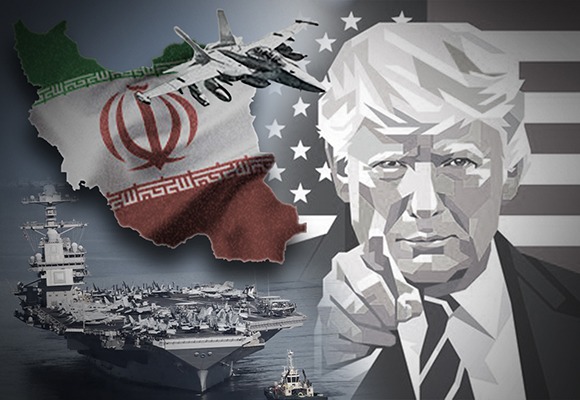
The Iran war, which began on 28 February with the launch of the United States’ military operation, Operation Epic Fury, has emerged as one of the defining geopolitical conflicts of our time. Today marks the fifth month of the war, with global oil markets remaining volatile as the Strait of Hormuz, one of the world’s most strategically significant maritime chokepoints and a vital artery for global energy supplies, continues to feature prominently in the strategic calculations of all parties. Hostilities erupted amid negotiations over Iran’s nuclear programme following coordinated US-Israeli airstrikes that killed Iran’s Supreme Leader at the time, Ayatollah Ali Khamenei, along with several senior military commanders. The Trump administration had various justifications for initiating the conflict, including as a response to the Iranian crackdown on anti-government protests, curtailing Iran’s nuclear ambitions and, at one point, the seizure of Iranian oil resources. Critics consider these justifications incoherent excuses and the initiation of the conflict a breach of international law.
The Iranian retaliatory strikes on Israel, neighbouring Gulf states and US military bases in the region, as well as the blockade of the Strait of Hormuz, have made the conflict the most consequential in recent times. Iran, aided by its ‘ideological allies’ and following its strategy of decentralised military command, has affirmed its hold on the Strait of Hormuz throughout the campaign. The fighting has also seen a resumption of hostilities between Israel and Hezbollah in Lebanon, an issue that became a sticking point in negotiations and eventually led to the breakdown of talks in Islamabad. The American blockade of Iranian ports that followed proved largely ineffective. Likewise, Project Freedom, a US Navy initiative to escort commercial shipping through the Strait of Hormuz, was suspended within days as diplomatic efforts resumed, leaving its strategic objectives largely unrealised.
On 17 June, a Memorandum of Understanding (MoU) to end the war was signed by the presidents of both the United States and Iran, lifting the dual blockade. Rising tensions later in the month ultimately led to another ceasefire on the 28th; however, earlier this month, the ceasefire collapsed, and both sides resumed hostilities as President Trump declared the MoU was ‘over’ and expressed pessimism over any future negotiations. Both parties exchanged another 13 consecutive days of strikes, with Washington targeting Iranian military installations while Tehran responded through direct and asymmetric means. The latest pause in military operations, announced by President Trump amid what he described as ‘friendly negotiations’, has created a narrow diplomatic opening. But the question on our lips is: can diplomacy survive another round of escalation?
The battlefield has evolved into a contest over long-term geopolitical leverage, regional influence and the future security architecture of the Middle East. As the conflict ‘pauses’, the tone, intentions and objectives of both sides seem to have shifted. For the Iranian side, the conflict is no longer just about the survival of its regime or vengeance for the death of its supreme leader and high-ranking officials. It has since become a strategic opportunity for Tehran to pursue its national interests more effectively. Iran’s hold over the Strait of Hormuz and, thus, the global oil markets has given Tehran leverage to make demands that, a few years ago, would not even have been considered without major concessions. With its stranglehold on global energy, Tehran can and most likely will demand the lifting of sanctions and reparations for the conflict while also attempting to influence the outcome of conflicts in other flashpoints of the region, such as Lebanon and Gaza.
It is also likely that Iran uses its leverage to chip away at American influence in the Middle East. The potential earnings from a proposed toll system on the Strait could also fund the Iranian military and pave the way for the Islamic Republic’s ascension to a major power. Thus, for Iran, the Strait of Hormuz is more important and more effective than any nuclear weapon with regard to pursuing its interests.
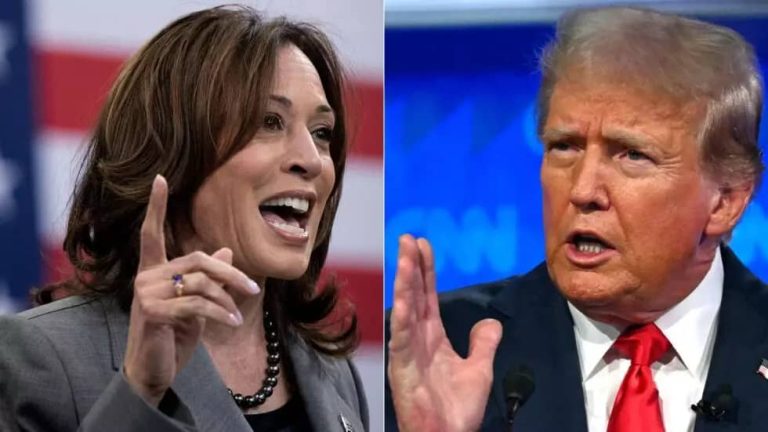
The American side of the story is very different, as the war has proved strategically costly for the United States. The Trump administration anticipated a swift military campaign that would culminate in regime change in Iran but now finds itself in a difficult position both militarily and diplomatically. It is worth recalling that President Trump built much of his 2024 election campaign around the ‘America First’ doctrine, promising to reduce costly American military commitments in the Middle East. Thus, it is ironic that he should lead the United States into an unpopular conflict that many consider unnecessary and expensive. The Trump administration finds itself stuck in a conflict while desperately searching for a way out as it continues to bear mounting diplomatic, political and economic costs.
On the diplomatic front, the war in Iran and its impact on global energy have strained relations between the United States and its traditional allies in Europe and the Middle East, as many nations consider the Trump administration responsible for the disruption of the global oil trade and contributing to regional instability. Compounding this, critics and international observers argue that the decision to initiate hostilities while negotiations were still underway constituted a violation of international law. These, coupled with tariffs and disagreements with Europe over the handling of the War in Ukraine, have complicated the United States’ diplomatic standing on the international stage.
Politically, initiating the conflict is considered a miscalculation on the part of the Trump administration, which now faces mounting challenges both domestically and internationally. At home, the war is largely unpopular due to the lack of a believable justification from the White House. The war is also seen as an unnecessary expense, with its cost being estimated at $37.5 billion. The request for an additional $454 billion for 2027 military spending, apart from $67 billion in emergency spending for this year by the Secretary of Defence, Pete Hegseth, has done little to ease these concerns. With the Midterm elections forthcoming, President Trump attempted to salvage the situation by signing the Memorandum of Understanding with the Iranian government last month, intending to present this as a win, some analysts believe. This also backfired, as the MoU was seen at home as a capitulation rather than a success. Abroad, US influence has also come under increasing strain amid a growing perception that the United States is unable to adequately protect its allies while remaining reluctant to engage in meaningful negotiations.
The economic impact of the war on the US economy is perhaps the most obvious. Despite President Trump’s frequent assertions that the United States does not need the Strait of Hormuz, the US is still very much connected to the global oil market. As a globally traded commodity, disruptions to crude oil supply inevitably affect prices irrespective of where the oil is produced or consumed. Thus, the increase in crude prices manifests at the American pumps. As of 22 July, the national average retail price of gasoline had risen to $4.06 per gallon, a sharp increase from just over $3.00 per gallon a week earlier.
The war in Iran started as an extension of the long-running Middle East crisis with a focus on preventing nuclear proliferation, albeit under highly contested circumstances. Five months later, however, its strategic focus has shifted towards the control of critical maritime chokepoints, with the Strait of Hormuz emerging as the principal theatre of geopolitical contestation. The conflict also set a dangerous precedent of strategic waterways being held hostage. In fact, the Houthis, a Shia militia in Yemen, on the 20th of July announced that it would stage a maritime blockade of ships from Saudi Arabia trying to transit through the Bab-el-Mandeb, in response to what it called a ‘continued Saudi siege’ of Yemen. The Bab-el-Mandeb Strait is presently being used by the Kingdom of Saudi Arabia as an alternative route to the Strait of Hormuz. While the resolution of the conflict remains to be seen, its implications will most likely be just as significant as the conflict itself. The punches may have paused, but the strategic contest continues.