Kwara youths urged to champion fight against gender-based violence
Young faith leaders in Kwara State have been called upon to take a leading role in fighting Gender-Based Violence (GBV), as stakeholders emphasised the critical influence of religious actors in shaping societal values and promoting safer communities.
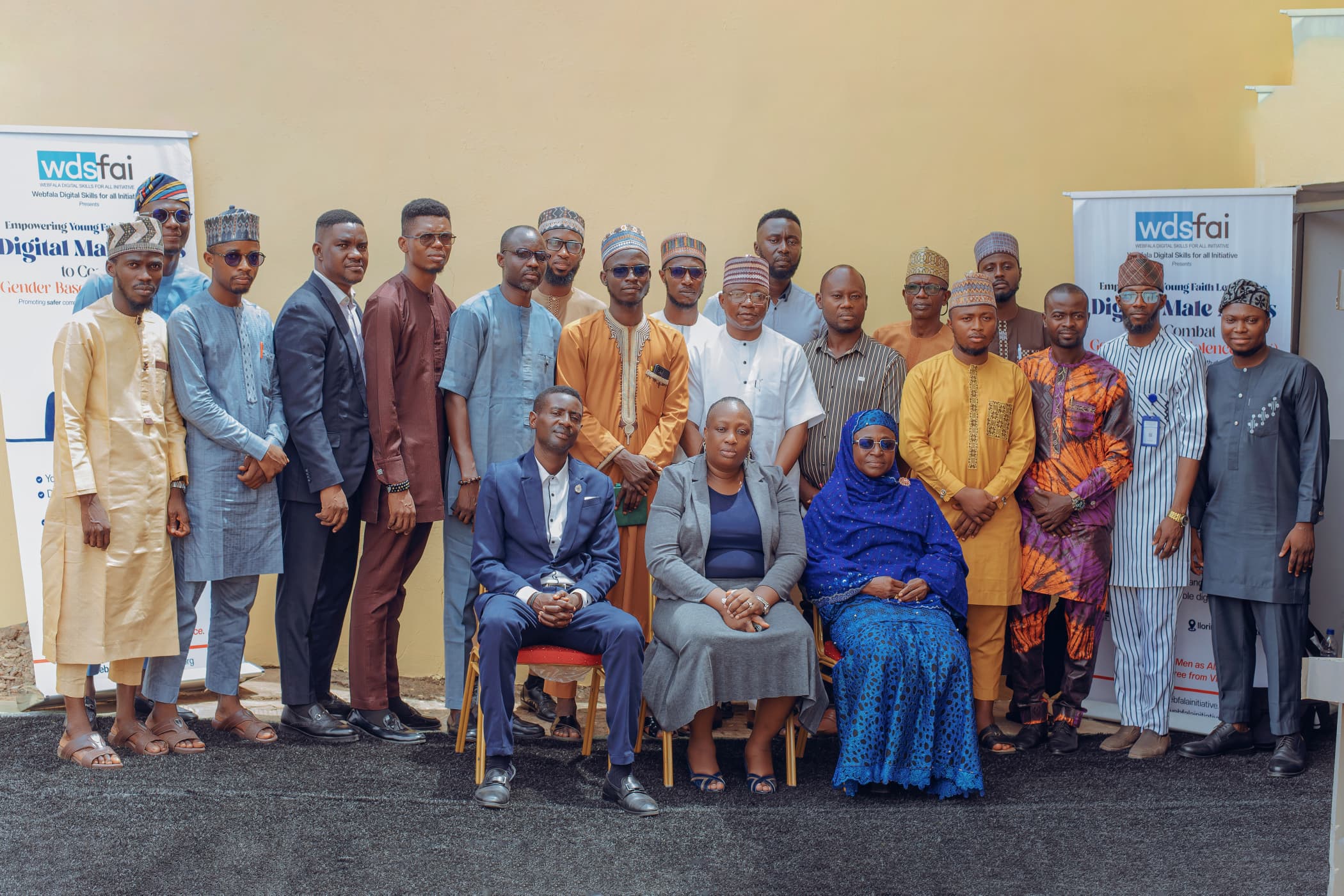
The call was made at a one-day capacity-building programme organised by a non-profit organisation, Webfala Digital Skills for All Initiative (WDSFAI) in Ilorin, the Kwara state capital.
Themed “Empowering Young Faith Leaders as Digital Male Allies to Combat GBV,” the programme brought together young pastors and Islamic scholars, who were equipped with the knowledge and digital communication skills champion the fight against GBV.
Beulah Ladanu, who is the Programme Manager at WDSFAI, said the decision to target male religious leaders was deliberate, noting that men must lead the charge in addressing the GBV menace, as they constitute the majority of perpetrators.
She added that the initiative was part of efforts by her organisation to promote safer communities through faith-driven leadership and advocacy, with a strong focus on protecting women and girls from violence and abuse.
“When young male faith leaders, who are guided by spiritual values, are equipped with the right knowledge, prevention skills and digital communication skills, they can become powerful catalysts for change,” she said.
Speaking at the event, the Executive Director of Olive Community Development Initiative, Mrs. Oluwatoni Adeleke, highlighted the dangers of GBV and identified common forms of GBV in Kwara to include domestic violence, rape, sexual abuse, abandonment, threats to life, and cases of missing children.
She also took participants through the provisions of the Violence Against Persons Prohibition (VAPP) Act while highlighting gaps that still exist in the implementation of the Act in Kwara state.
While stressing the importance of collective action to tackle GBV, Adeleke urged young faith leaders to use their platforms, both physical and digital, to advocate for respect, justice, and the protection of vulnerable groups, particularly women and girls.
“As leaders in our respective places of worship and communities, we are better positioned to challenge harmful norms, transform attitudes, and promote values that uphold dignity and non-violence,” she said.
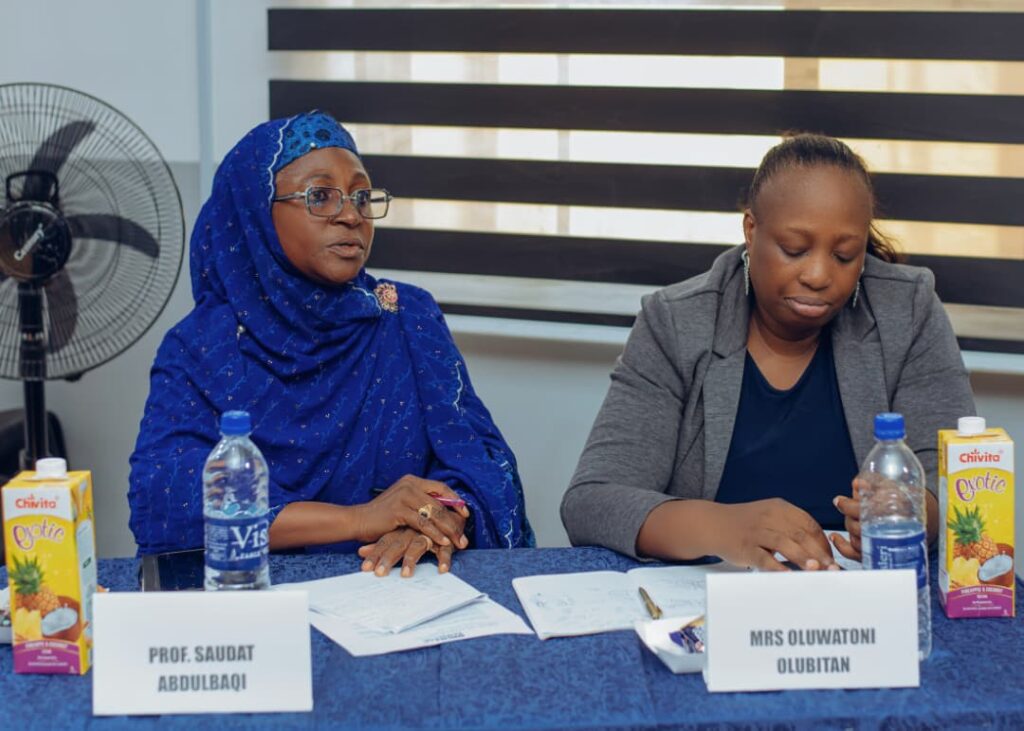
Also speaking, a communications scholar, Prof. Saudat Abdulbaqi, expressed concern over the rising cases of GBV in Kwara State, revealing that between four to five cases are reported weekly.
She disclosed that over 159 cases were recorded in the past year alone, warning that the figure likely underrepresents the true scale of the problem due to underreporting driven by stigma, fear, and victim-shaming.
Highlighting the role of religious institutions in fighting GBV, Abdulbaqi noted that faith leaders command trust and respect within their communities, making them effective agents of social transformation.
She, therefore, called on religious leaders to ensure that teachings within their spaces promote compassion, justice, and human dignity, while actively challenging harmful cultural and societal norms that enable abuse.
“As religious leaders, we must educate our followers, particularly men on the importance of respecting and protecting girls and women. Let us share faith-based perspectives on gender justice as no religion condones violence or abuse. Protecting the vulnerable must be seen as a sacred duty by religious leaders,” she noted.
The professor also encouraged faith-based organisations to partner with local support groups to provide assistance for survivors and establish accountability systems for perpetrators.
“Abuse is often hidden, and victims suffer in silence. We must break the culture of silence that enables violence by encouraging survivors to speak up and seek support,” she added.
While acknowledging that digital platforms are sometimes used to spread misogyny and toxic masculinity, Abdulbaqi urged participants to harness these tools for positive influence, advocacy, and awareness creation.