Kwara poly students are being neglected in opportunities — NAKSS President
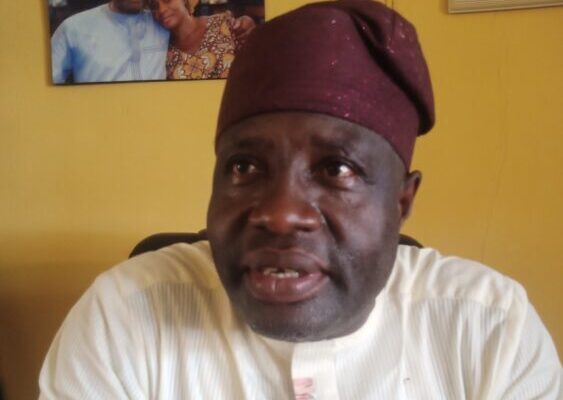
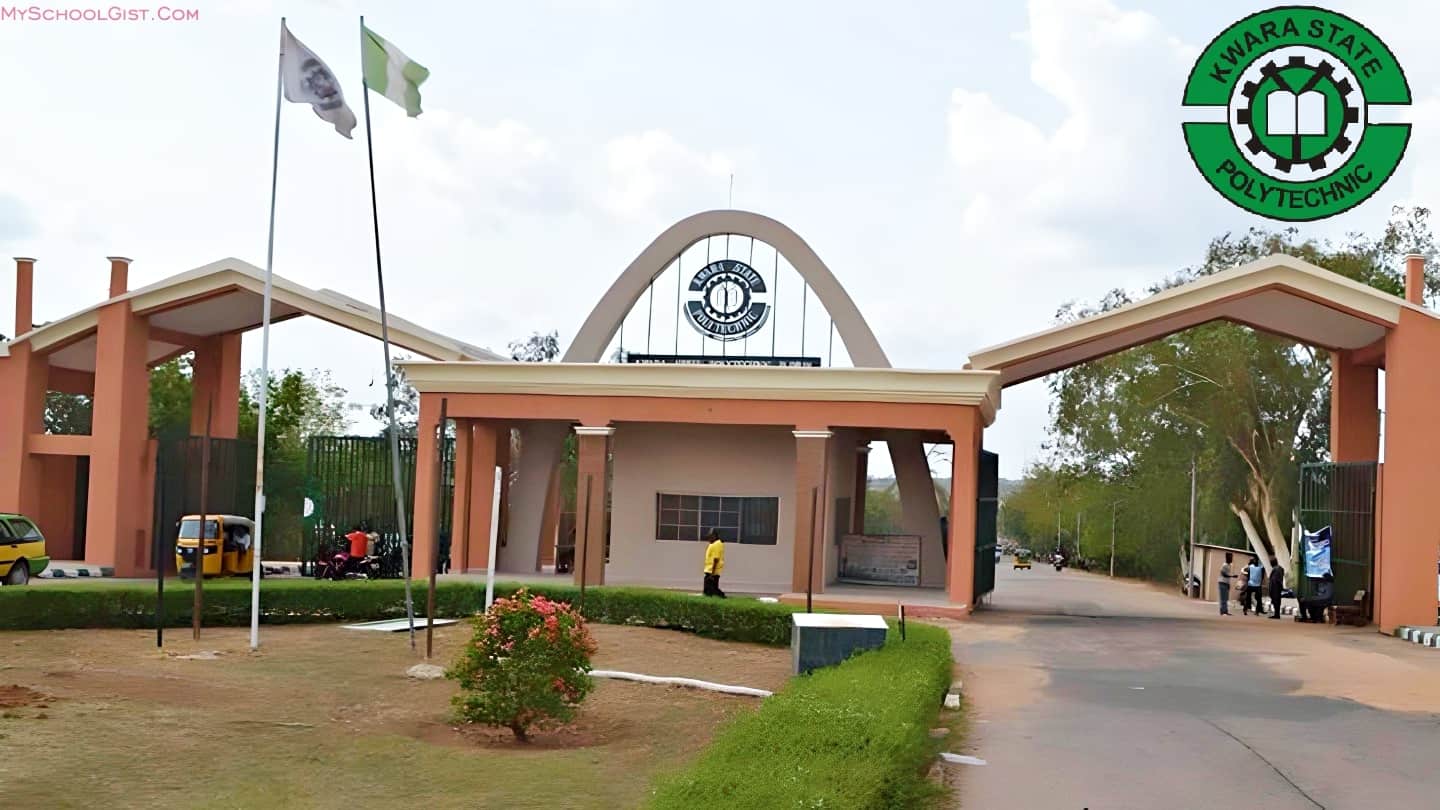
In this interview, Ahmad Abdulkabir Ishowo, President of the National Association of Kwara State Students (NAKSS), Kwara State Polytechnic Chapter, speaks on the challenges confronting students of Kwara State Polytechnic, Ilorin. He raises concerns about rising financial hardship, limited institutional support, and what he describes as the marginalisation of polytechnic students in state and federal educational interventions.
Ishowo also addresses the role of political leaders, donors, and stakeholders in education, warning that neglect of polytechnic students could have long-term social and security consequences.
Excerpts
Q: Please introduce yourself.
A: My name is Ahmad Abdulkabir Ishowo. I am the President of the National Association of Kwara State Students, Kwara State Polytechnic Chapter, an indigenous students’ union that represents over 35,000 students of Kwara origin in the institution.
Q: What is the mandate of the association?
A: The association exists to protect and promote the welfare of Kwara State students within the polytechnic. Our core objectives include supporting indigent students, serving as a bridge between students and the school management, amplifying students’ academic and welfare challenges to relevant stakeholders, sourcing financial assistance, and advocating for policies that improve students’ wellbeing.
Q: What are the major challenges students face, and what has the association achieved so far?
A: Financial hardship remains the most critical challenge. Although the Rector, Dr Abdul Jimoh, has intervened in some areas, the burden on students is overwhelming. Many students struggle to pay tuition and meet basic needs. Some have dropped out, while others graduate with poor results despite their academic potential because they are forced to combine studies with exhausting jobs.
These financial pressures have pushed some students into social vices such as cybercrime, prostitution, cultism, and other risky behaviours. Unfortunately, although students’ cries are often acknowledged, concrete action is rarely taken.
Q: What steps has the association taken to address these challenges?
A: We raise funds through students’ dues and engage political leaders, professionals, and influential stakeholders to solicit financial support. However, this process is often difficult and misunderstood. Some people assume student leaders are seeking personal gain rather than collective relief.
Recently, our association marked 25 years of existence and invited prominent Kwara indigenes to support efforts aimed at easing students’ financial hardship. Sadly, many invitees did not attend or even explain their absence. This reinforces a painful reality: Kwara State Polytechnic and its students are often treated as invisible, despite producing leaders, professionals, and skilled manpower for the state.
Ironically, when elections approach, these same students are remembered and mobilised for political support.
Q: You have alleged that Kwara Polytechnic is being sidelined in education donations. Can you explain?
A: Yes. While massive education funds — including reports of Yahaya Seriki’s N200 million donations — have been directed to universities in the state, polytechnic students are largely excluded. This is not about rivalry between institutions; it is about fairness.
Many families can no longer afford university education due to economic hardship and insecurity. Polytechnic education should be a lifeline, yet it is being neglected. Donations appear driven by political visibility rather than students’ actual needs.
When support is channelled away from struggling students, it worsens poverty, unemployment, and insecurity. Neglecting polytechnic students today may create social instability tomorrow.
Q: What is your response to claims that some intervention funds exclude polytechnic students?
A: We heard reports that a representative of Senator Salihu Mustapha allegedly stated that education intervention funds do not cover students of polytechnics and colleges of education, focusing only on university students. If true, this is discriminatory.
Are students of Kwara State Polytechnic not indigenes of Kwara State? Do they not deserve equal opportunities? Intervention programmes must be inclusive and responsive to real educational needs across all tertiary institutions.
Q: What message do you have for political leaders and stakeholders?
A: Leadership is about service, not accumulation. Representation must prioritise humanity, accountability, and fairness. Actions taken today will define political legacies tomorrow.
We will continue to engage and support leaders who genuinely prioritise students’ welfare. Education is a powerful tool against poverty, and neglecting any segment of the educational system undermines the future of the state.