
FEATURE: Inside Kwara islamic market where food prices are subsidised by 30% for buyers
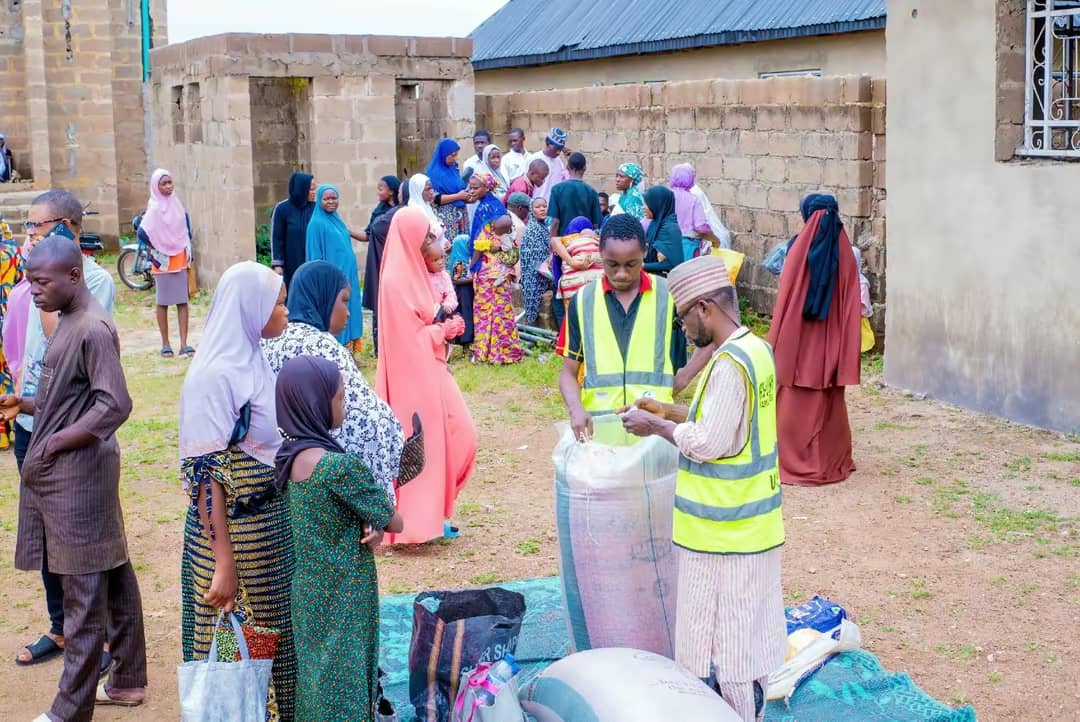
At Gaa Saka in Ilorin, Kwara State, a quiet but powerful humanitarian effort is reshaping the lives of families struggling with rising food prices and domestic hardship. At the heart of it is Imam Ibrahim Abubakar Eleke-Kuntu, founder of the Ashurah Islamic Welfare Foundation, whose passion for building happy homes inspired the creation of an Islamic Market that subsidises food commodities by 30 percent for residents.
For Imam Eleke-Kuntu, the Foundation was born out of deep concern over marital problems affecting Muslim homes. “Ashurah Islamic Welfare Foundation was inspired by the need for Muslim couples to have a happy home,” he explained. “We discovered that some of the problems hindering couples from having a happy home include not living according to the teachings of Almighty Allah and Prophet Muhammad (SAW), lack of food, and lack of work or source of income.”
To address these challenges, the Foundation first launched radio programmes to educate families on Islamic principles of a peaceful home. Today, the Foundation has over 2,000 registered members in Nigeria and abroad with a comprehensive database. It also hosts an annual public lecture every February where experts are invited to discuss major matrimonial challenges.
However, the Foundation soon realised that economic hardship was a recurring threat to family stability. “Two years ago, we discovered that some women are over-reliant on their husbands, so we organised skills acquisition and training,” the Imam said. Twenty-seven women were trained in tailoring and fashion design, while seventeen learned baking, chips and small chops production. They were supported with ovens, turning tables and mixers. Another forty-seven beneficiaries were trained in soap-making and given ₦50,000 startup funds. “We are beginning to see impact and they are progressing,” he added.
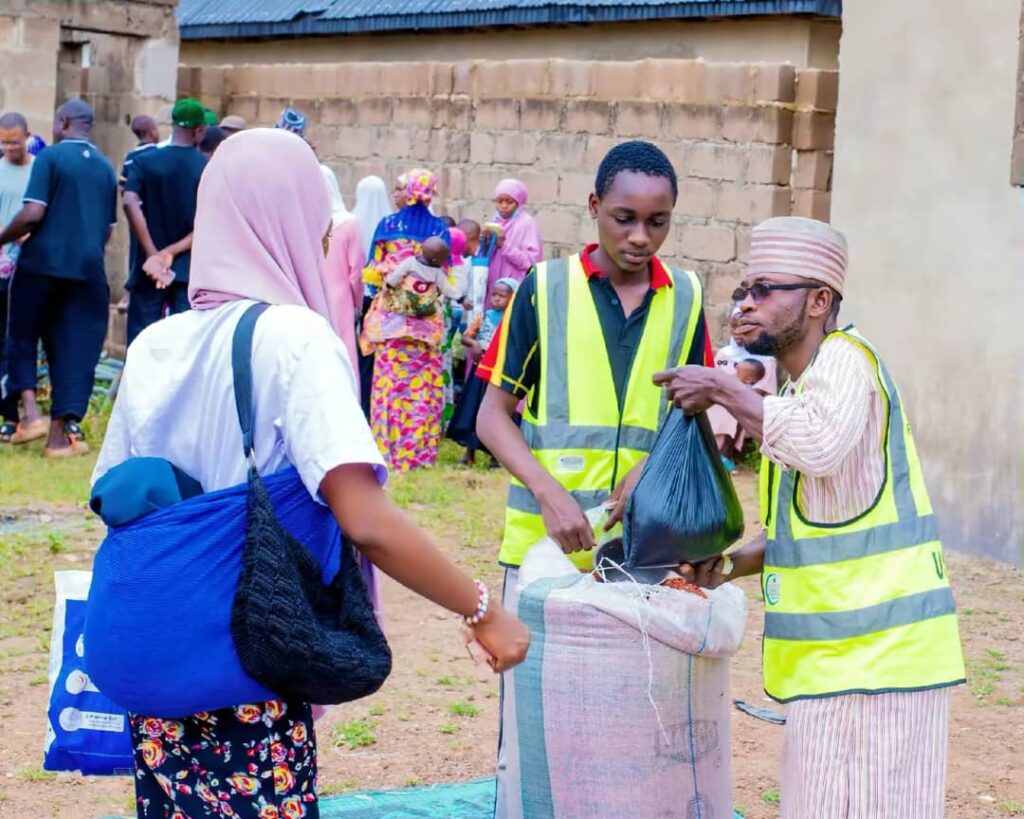
Then came another breakthrough: food intervention. For years, the Foundation distributed food items twice a month during Jumu’at services to support indigent families. But as food prices skyrocketed last year, the Foundation decided to establish an Islamic Market to help families survive. “We decided to create a market to subsidise food commodities by 30 percent compared to market price.Our major target is to seek the blessings of Almighty Allah,” Imam Eleke-Kuntu said.
Since its establishment in August last year, the market has continued to grow in impact. It sells rice, beans, gari, yam, yam flour and maize, among other staple foods.
Imam Eleke although noted that the idea of the market was by extension inspired by a similar one in Iwo Osun State, he explained that the Ilorin market is premised on subsidy and not price control which is obtainable in Iwo.
At the Ilorin Islamic market, a kongo of rice is being sold at #1,300 outside, while it is sold for #1,600 at outside market. The price difference,provides a veritable alternative to people who patronise the Islamic market.

Eleke further explained that staffs of the Ashurah foundation normally travelled to market in the rural areas to buy some of the food commodities that are being resold to the people in Ilorin.
“Our staff usually go to markets in some villages so that we can get some of those food in quality and unadulterated form’ he said.
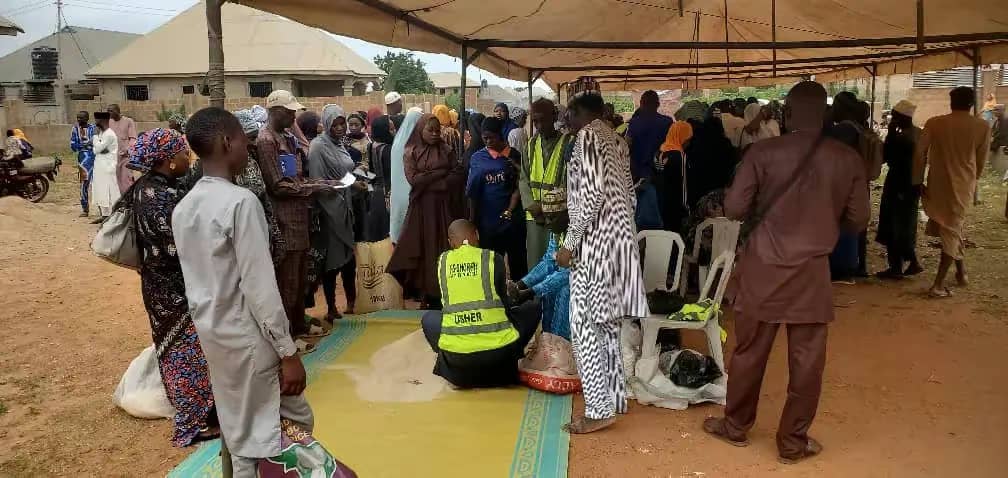
According to the Imam, the initiative attracts three key categories of beneficiaries: salary earners, community members, and completely indigent families who sometimes receive food free because they cannot afford it. On average, about 300 people visit the market on peak days such as the last and first Sunday of every month. On other days, at least 60 to 70 people benefit.

Despite its success, the Islamic Market runs without any external sponsorship. “We don’t have any support from anywhere,” he revealed, adding that strict measures are in place to ensure only people who need the food benefit. “We only sell for people that will eat it, not those who want to resell.”
Like every noble initiative, the journey has not been without resistance. “Some market people have come here to challenge us that we are undermining their businesses. Some people have even attacked us spiritually, but we thank Almighty Allah for His protection,” he said.
Yet, the positive impact speaks louder than the challenges. Hajia Shukurat Suleiman testified that the market has greatly helped her family, stressing that the price difference eases pressure on their household budget. “Sometimes I buy food that will suffice us for a month or weekly,” she said.
For Salimatu Abdulrafiu, a tailor and mother supporting six family members, the initiative has been a lifeline. “We are happy with the market because it is always helping us sustain our family,” she said.

Abdulazeez Arisekola, one of the programme officers, affirmed that the market has lifted many families, attracting people from far and near.

Similarly, businesswoman Ummu Royhan praised the quality of the commodities and encouraged the organisers to expand the range of foodstuffs available.
Others who patronise the markets noted that the initiative has brought succour to their families.
From educating couples, empowering women with skills, to ensuring families can afford food, Imam Eleke-Kuntu’s initiative reflects a blend of faith, compassion and practical welfare support. In a time when economic hardship continues to weigh heavily on households, the Ashurah Islamic Welfare Foundation’s Islamic Market stands as a beacon of relief, resilience and hope — touching lives, sustaining homes, and strengthening communities in the true spirit of humanity and Islam.